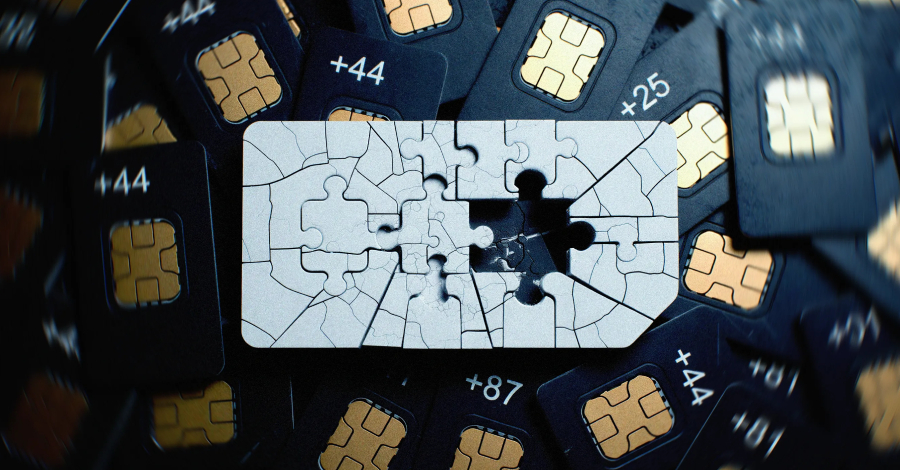
Fake CAPTCHAs Nab Victims for SMS Scams: Who Pays?
They've figured out how to make you pay for your own verification. This isn't just a minor annoyance; it's a well-oiled machine designed to bleed your phone bill dry.
Forget zero-days. BlackFile's latest campaign is a masterclass in social engineering and API abuse, targeting vulnerable retail and hospitality giants. This isn't just about stealing credentials; it's about maintaining persistence and exfiltrating vast amounts of data undetected.
AI agents are chaining MCP tools into Frankenstein workflows nobody foresaw. Zero Trust isn't optional; it's the only way to stop the bleed.
Ever wonder if your cloud security tools are screaming alerts just to justify their existence? Tenable's new tricks in custom policies and AWS ABAC aim to hush the racket—but I'm not fully sold yet.
An AI model says 'no' to a shady prompt. Tenable One turns that rejection into your first line of defense against prompt injections and rogue insiders.
Imagine searching for Proxifier software, clicking a top GitHub result, and unwittingly launching a cyber relay race straight to your crypto wallet. ClipBanker doesn't rush—it endures, layer by layer, until it owns your clipboard.
Security teams choke on millions of telemetry pings daily, but AI-powered MDR promises to cut through the noise. Rapid7 CEO Corey Thomas says forget watching subsets—full-environment monitoring is coming, like it or not.
Hackers aren't just phishing anymore—they're automating AI-fueled device code grabs at enterprise scale. Microsoft's latest alert shows why this matters for every Microsoft 365 user.
Hackers from Russia and China are still milking a patched WinRAR vulnerability, CVE-2025-8088, to sneak malware past defenses. It's a stark reminder: patches mean nothing if you don't apply them.
Forget one-off zero-days. Coruna's a full-blown framework recycling elite iOS exploits from Russia's Operation Triangulation. iPhones just got a modular malware upgrade.
ShinyHunters just bragged about breaching over 20 SaaS companies via slick vishing. Mandiant's got the playbook to shut them down—before your data's next on BreachForums.
Patients waiting for surgery. Journalists silenced mid-story. That's the human cost as Iranian hackers and phishing crews strike big this week. Here's the data-driven breakdown.
A trusted video conferencing tool turns traitor. In Operation TrueChaos, attackers hijacked TrueConf's update mechanism to slip malware into air-gapped government networks across Southeast Asia.
Imagine clicking a Snapchat link and handing spies your entire iPhone. That's DarkSword in action, now passed around like a hot potato among threat actors worldwide.
Forget the tech jargon: if your iPhone's stuck on iOS 17 or older, some shady kit called Coruna could crack it wide open. It's hopped from government spies to online hustlers, proving zero-days don't stay elite for long.
Imperva's 2025 Bad Bot Report drops a bomb: bad bots hit 32% of all internet traffic last year. With AI supercharging automation, here's why your app security can't ignore this anymore.
Dell RecoverPoint appliances got quietly owned by UNC6201 via a perfect-10 CVSS zero-day. Now they're deploying GRIMBOLT, a C# beast that's harder to spot than its predecessor.
Hidden APIs? Cute. AI agents find them in seconds. Your security by obscurity just got automated into oblivion.
What if the weapons feeding tomorrow's wars are already compromised in a hiring email? Google's latest intel shows state hackers infiltrating the defense industrial base at every layer.
Picture a Polish rail dispatcher staring at blank screens as Russian malware erases critical logs. That's PRISMEX in action, courtesy of APT28—not just spying, but sabotaging Ukraine's war machine.