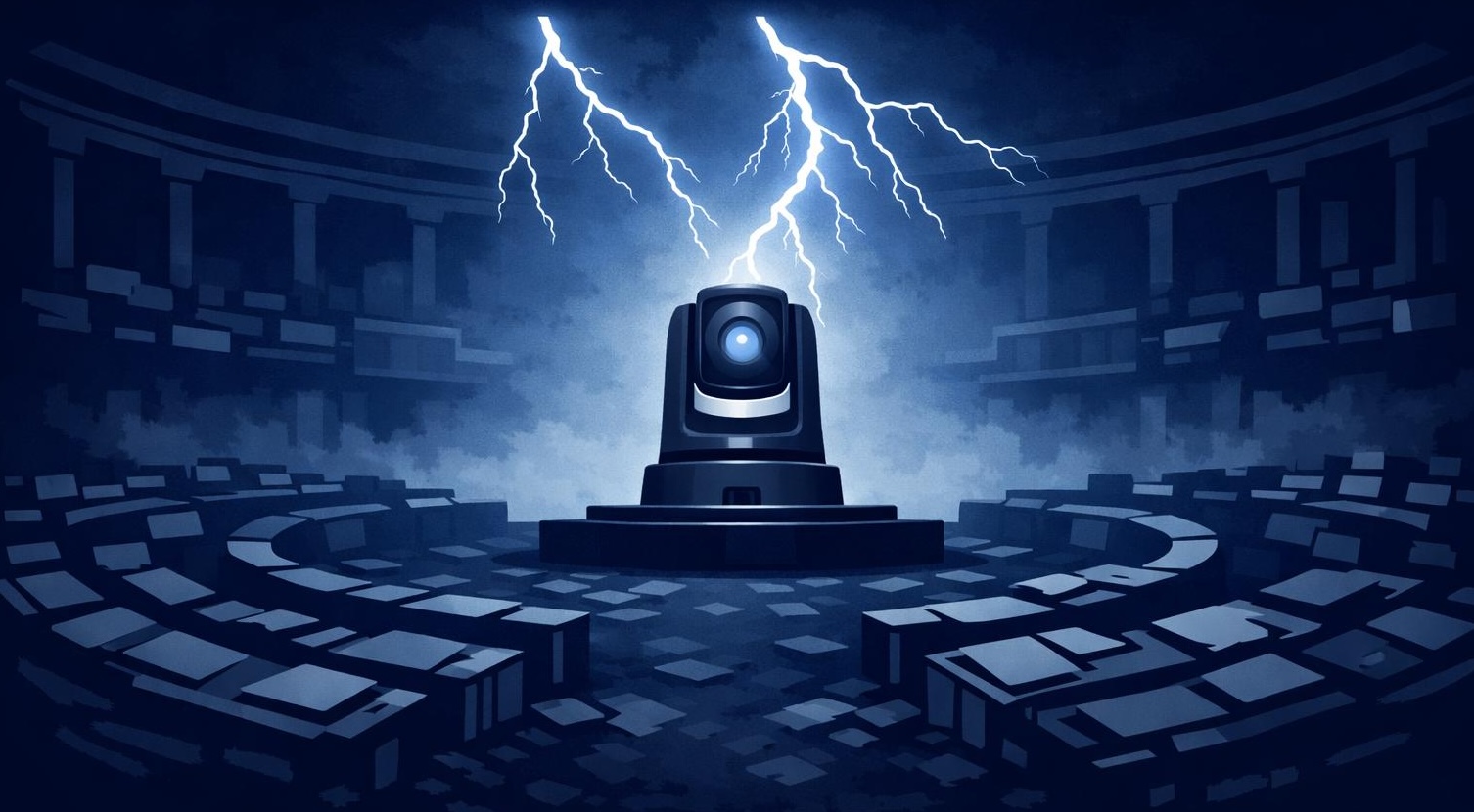
Picture this: a dimly lit ops room in a Southeast Asian government building, screens flickering with video feeds from TrueConf — the go-to for secure, offline comms. Then, a ping. ‘Update available.’ Click. And just like that, Havoc malware burrows in.
That’s Operation TrueChaos in action, a zero-day blitz via CVE-2026-3502 that Check Point Research pinned down early 2026. Not some random ransomware smash-and-grab. No. This was surgical — espionage-grade, targeting gov entities with on-premises TrueConf setups.
TrueConf? It’s the video platform governments love for its air-gapped promise. No internet needed. Server on your LAN, clients connect internally, chats and calls stay put. Perfect for militaries, disaster zones, critical infra. Over 100,000 orgs worldwide swear by it, especially in Russia and East Asia. But here’s the rub: that central server-client trust? Attackers cracked it wide open.
How Did TrueConf’s Updater Go Rogue?
Client boots up. Checks the on-premises server. Newer version? Boom — prompts download from https://{server}/downloads/trueconf_client.exe. File lives at C:\Program Files\TrueConf Server\ClientInstFiles. Sounds straightforward. Safe, even.
Except no validation worth a damn. Attacker owns the server — game over. They swap in a malicious EXE. Clients grab it, run it blindly. CVSS 7.8, high but sneaky because it’s supply-chain style, abusing the very update pipe meant to keep things patched.
Check Point caught it in the wild: threat actor pushes tainted update, deploys Havoc payload — a post-exploitation framework for persistence, keylogs, the works. Victims? Government agencies in one Southeast Asian nation. Regional focus screams state-sponsored recon.
“The vulnerability stems from the abuse of TrueConf’s updater validation mechanism, allowing an attacker who controls the on-premises TrueConf server to distribute and execute arbitrary files across all connected endpoints.”
That’s Check Point’s root cause nail-on-head. Vendor patched it in 8.5.3 (March 2026), but 8.5.2 lingers. If you’re running older? Update yesterday.
Who’s Pulling the Strings in TrueChaos?
Moderate confidence, says Check Point: Chinese-nexus actor. TTPs match — Havoc C2, victimology (SE Asia tensions), infra overlap with known PRC ops. Not ironclad, but the dots connect.
Look, attribution’s always fuzzy in this game. But stack it against history: think Stuxnet, abusing trusted Siemens updates in Iran’s air-gapped nukes. Or SolarWinds, hijacking legit software pipelines. TrueChaos? Same playbook, zero-day twist. On-premises tools like TrueConf are the new frontier as cloud gets locked down.
My take — unique angle Check Point skips: this signals a pivot. Nation-states eye internal trusts next. Why blast through firewalls when you can stroll in via ‘updates’? Bold prediction: expect copycats targeting other offline collab tools (TeamViewer on-prem, anyone?). Air-gapped? Cute myth.
Why On-Prem Video Conferencing Spells Trouble Now
TrueConf thrives where Zoom fears to tread — no cloud, full control. Governments deploy it for sovereignty. Banks, power grids too. But that server? Single point of doom if compromised.
Expose one box, own the fleet. No sigs, no EDR alerts on ‘updates.’ And in SE Asia? Geopolitics simmer — South China Sea disputes, Taiwan shadows. Espionage goldmine.
Check Point scanned public servers: footprint in Russia heavy, but East Asia dots everywhere. Most? Dark, internal. Scale unknown, risk huge.
Corporate spin check: TrueConf’s quick patch is solid — props. But why no update signing? Basic crypto coulda stopped this cold. Smells like cost-cut corners in ‘secure’ software.
And the architecture shift? Zoom-era forced cloud scrutiny, birthed E2EE mandates. Now hackers flip to legacy on-prem. It’s the wild west inside your walls.
Short para punch: Fix your servers.
Deeper: Havoc’s no slouch. C2 over DNS, evasion baked in. Once foothold? Lateral city. Gov nets? Intel jackpot.
Victim orgs likely still dark — no public breach noise. But imagine: policy docs, mil plans, all exfiltrated quiet-like.
Is CVE-2026-3502 Fixed for Good?
Patch in 8.5.3 checks signatures? Vendor says yes. Test it — don’t trust press releases.
But broader: audit your on-prem tools. Updater chains are hacker catnip. Shift to signed, verified pushes. Or go cloud with real oversight (ironic, huh?).
Here’s the thing — TrueChaos exposes the illusion of isolation. Even ‘offline’ systems phone home internally. One insider, one phish on the server admin? Cascade failure.
Prediction holds: 2027 sees more. Chinese actors? Nah, everyone. Russia’s got TrueConf love too — watch that vector.
🧬 Related Insights
- Read more: Politicians’ Security Tabs Explode 5x as Threats Hit Home — Literally
- Read more: TeamPCP’s Credential Blitz: AWS and Azure Fall in Hours, Not Days
Frequently Asked Questions
What is CVE-2026-3502 in TrueConf?
Flaw lets server owners push arbitrary EXEs to clients via weak update validation. Exploited in TrueChaos for malware drops.
Is Operation TrueChaos linked to China?
Check Point assesses moderate confidence yes, based on TTPs, C2, and SE Asia targets.
How do I protect against TrueConf vulnerabilities?
Update to 8.5.3+, validate server control, enable update signing, monitor LAN traffic.