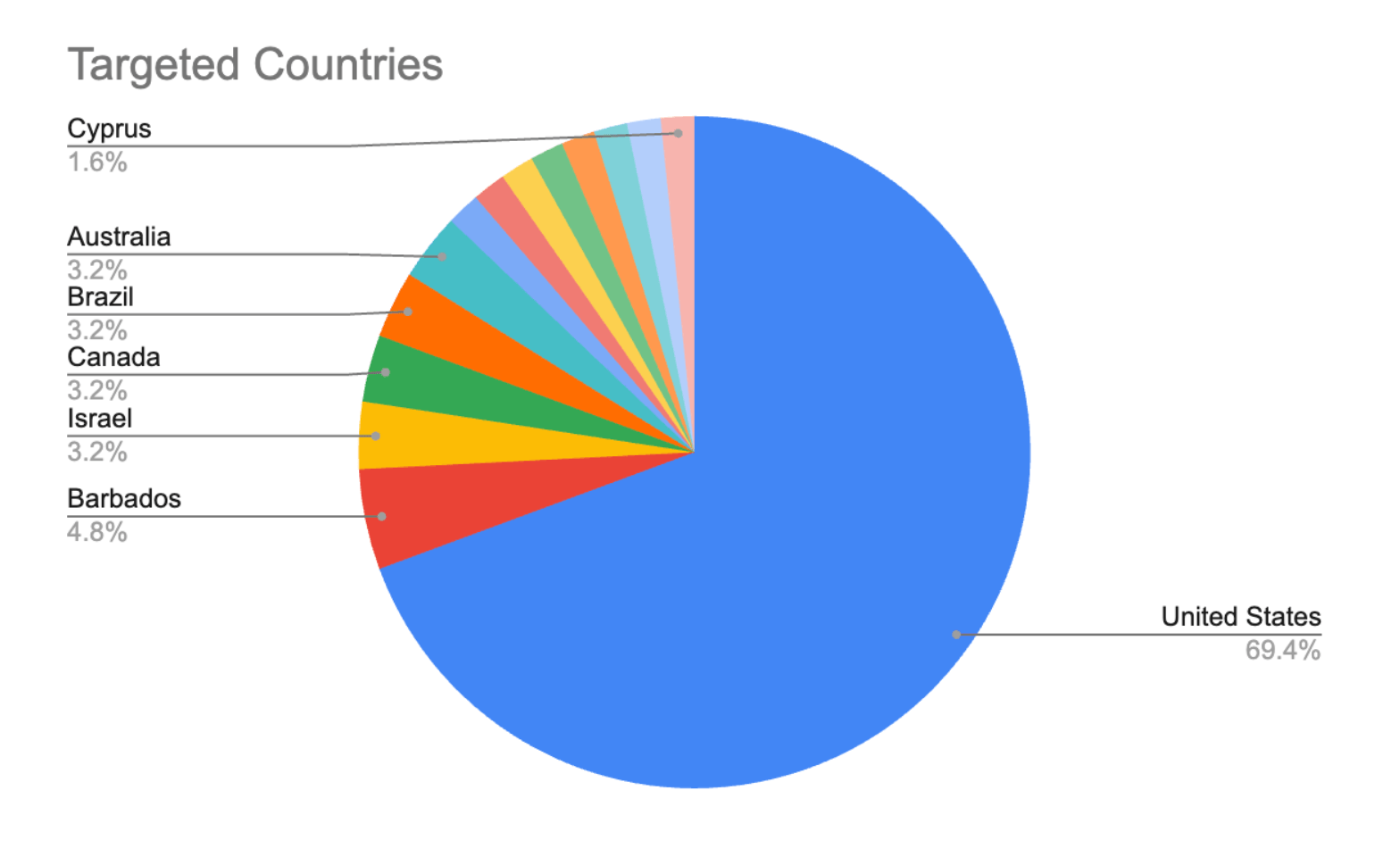
Bad bots snagged 32% of all internet traffic in 2024, per Imperva’s latest report—a sneaky 2% bump from the year before.
And it’s only ramping up. AI agents aren’t knocking politely anymore; they’re barging in, blending with legit users, probing APIs like kids testing fences. Here’s the thing: we’ve got a grey zone exploding on the web, where human clicks mix with machine swarms, and old-school bot detectors? They’re gasping for air.
Why AI Bots Are the New Web Invaders
Look, AI-driven crawlers—think ChatGPT slurping site data or Perplexity AI summarizing your product pages—aren’t villains by default. They’re helpful, even. Travel bots ping flight inventories nonstop; e-com scrapers hunt deals for shoppers. But flip the script, and cybercriminals wield the same tech to hoard stock, stuff credentials, or scrape your IP for their knockoffs.
Traditional defenses? Useless. They flag obvious fakes—clunky scripts slamming endpoints—but AI bots play human. They throttle requests, mimic browsers, even rotate fingerprints. Imperva nails it here:
AI-aware bot protection is a security approach that detects, classifies, and controls automated traffic generated by AI agents, LLM-powered assistants, and autonomous tools — then applies granular policies based on each bot’s identity, intent, and behavior.
Spot on. But let’s cut the PR gloss: this isn’t revolutionary; it’s evolution from email spam wars two decades back, when filters had to learn Bayesian tricks to sift signal from noise. Back then, we tamed junk mail. Now? We’re re-fighting that battle at web scale, with stakes way higher—revenue, data, trust.
AI bots don’t just nibble; they devour. Analytics? Skewed by fake visits, torching your ad dollars. Inventory? Snapped up by scalpers running agent armies. APIs? Hammered for logic flaws humans miss.
Short para for punch: Unmanaged, it’s suicide.
How Do AI Bots Blend Into Legit Traffic?
Start with the innocents. Your average Gemini query pulls from dozens of sites in seconds—summarizing, comparing, enriching. Enterprise tools query SaaS APIs for reports, support tickets, data fills. Search bots index for next-gen AI engines.
But bad actors? They mirror perfectly. Credential stuffing at scale—AI tries millions of logins, adapts on failures. Inventory hoarding: bots reserve every seat, every sneaker, flipping for profit. And scraping? Your proprietary content trains rival models overnight.
Imperva’s report spells the pain:
| Risk Category | Description | Business Impact |
|---|---|---|
| Analytics Manipulation | AI bots inflate traffic metrics and distort conversion data | Misinformed decisions, wasted ad spend |
| Inventory Hoarding | Automated agents reserve or purchase inventory at scale | Revenue loss, customer experience degradation |
| API Abuse | AI agents exploit endpoints beyond intended use | Costs skyrocket, data leaks |
That’s table talk, but the why? Automation’s dirt cheap now. One LLM script tests endpoints faster than any red team. Barrier? Gone.
My take—and this is the insight originals miss—echoes the early 2000s DDoS era. Remember Code Red worm? It hijacked webs overnight. AI bots are that, but stealthier, profit-driven. Prediction: by 2026, expect 50% bot traffic, half malicious if unchecked. Imperva spins ‘granular control’ as savior; truth? It’s table stakes, but their latency in multilayered AI sigs lags rivals like Cloudflare’s under-the-radar moves.
Is Traditional Bot Detection Dead Against AI?
Dead? Nah. Dying, fast. Rule-based? Crackable. ML heuristics? AI bots poison datasets, evolve mid-attack.
You need layers: behavioral fingerprints (mouse entropy? Nah, bots fake it now), TLS telemetry, script analysis. Imperva’s Advanced Bot Protection (ABP) claims this—visibility by tool type, intent, biz function. Real-time policies block bad, throttle greedy, allow helpers.
But here’s the wander: does it scale? Enterprises drown in alerts already; adding AI granularity risks fatigue. We’ve seen it—SIEM overloads from log bloat. Imperva pushes ‘control accessibility to app functions,’ smart, but execution? Ties to WAF, needs tuning or it’s hype.
And the human factor. Sec teams chase ‘why automation rises’ less; now it’s ‘what’s it doing?’. Visibility first—dashboards tagging bots as ‘ChatGPT fetcher’ vs. ‘malicious scraper’. Control next: geo-blocks, rate-limits per agent ID.
Punchy one: Works? In labs. Wild? Jury’s out.
Why Does This Matter for Your Stack Right Now?
Because 2026 looms—multilayered, policy-driven responses mandatory. Ignore? Watch churn spike from slo-mo sites, trust crater from ATOs.
Imperva ABP dashboard? Granular AF—breaks traffic by category (good bots: Perplexity; bad: custom scrapers). Policies? ‘Allow summarizers, block hoarders.’ Ties to broader app sec.
Critique time: Imperva’s ‘essential’ pitch smells salesy—bot mgmt’s been core since 2010s. Their edge? AI-specific sigs. Still, open-source like Botometer lags; enterprise needs this polish.
Deep dive: Architecturally, it’s shift from perimeter defense to intent-based gating. APIs expose guts; bots probe surgically. Fix? Zero-trust per actor—human gets full, bot gets sandbox.
Historical parallel: Like antivirus post-Morris Worm (1988), we went proactive. AI era demands that for bots.
Long para to chew: Imagine your e-com fortress—AI shoppers legit, but scalpers mimic ‘em, reserving GPUs for AI training resale. Without classification, you block all, kill UX. With? Thrive. Risks cascade: scraped data trains competitors (hello, Claude eating your edge); manipulated metrics fool VCs; ATOs trigger GDPR fines. Imperva’s play—real-time classification via ML + heuristics—promises filter. Does it deliver? Early adopters say yes for visibility, iffy on zero-false-pos. Bold call: Orgs skipping this face 20-30% revenue hits by EOY.
🧬 Related Insights
- Read more: Scammers Hijack Palo Alto’s Name to Extort Execs Over Fake Resume Fees
- Read more: Claude Fans, One Wrong Click Hands Hackers Your Whole PC
Frequently Asked Questions
What is AI bot protection?
It’s tech that IDs, classifies, and tames AI-generated traffic—good crawlers get greenlight, bad ones blocked based on behavior and intent.
How do I protect my apps from AI bots?
Layer detection (behavior, TLS, scripts), apply policies (allow/block/throttle), monitor via dashboards like Imperva’s ABP. Start with API gateways.
Will AI bots replace human traffic?
Not fully— they’ll hit 50%+ by 2026, but managed right, they boost, not break, your site.