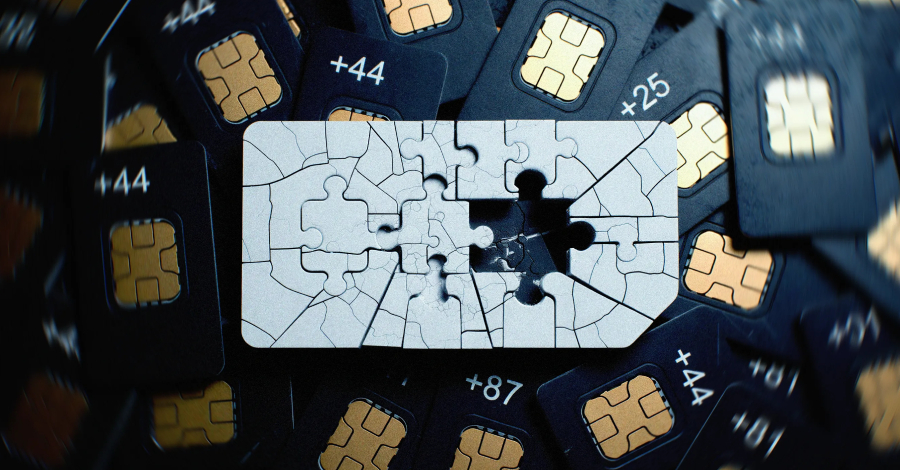
Saw a weird CAPTCHA pop up the other day. The kind that asks you to click a bunch of boxes or type some squiggly text. Innocent enough, right? Wrong. Turns out, some of these digital gatekeepers are actually just elaborate traps designed to rack up international text message charges on your unsuspecting phone bill. And guess who’s raking in the cash?
This whole international revenue share fraud (IRSF) racket, as cybersecurity folks are calling it, has been chugging along since at least mid-2020. The latest report from Infoblox paints a picture of a sophisticated operation that doesn’t just rely on tricking you once, but has built a whole ecosystem of deception. They’re using what’s called a commercial traffic distribution system (TDS) – think of it as a shady middleman that routes web traffic. Traditionally, these TDS systems are used to send unsuspecting surfers to malware or phishing sites. But this gang? They’ve repurposed it for SMS scams. Clever. And by clever, I mean infuriatingly effective.
Here’s the kicker: the fake CAPTCHA isn’t just one message. Oh no. It’s a multi-stage torture. Each step pre-configures your phone to blast out a dozen or more SMS messages to over 50 different international numbers. So, you think you’re just proving you’re not a robot, but you’re actually authorizing a barrage of texts that cost a pretty penny. And to make it worse, these charges don’t usually hit your bill right away. They show up weeks later, long after you’ve forgotten about that frustrating CAPTCHA. By then, you’re just looking at a mysterious line item and probably blaming your carrier or some random app.
Who’s Actually Making Money Here?
That’s the million-dollar question, isn’t it? It’s the fraudsters who get a cut of the international termination fees. These are fees that mobile carriers pay each other to complete calls or messages between their networks. The scamsters acquire or lease premium-rate numbers in countries with high termination fees or lax regulations – places like Azerbaijan, Kazakhstan, or parts of Europe. Then, they artificially inflate the traffic to these numbers. The telecom providers, who are supposed to be policing this, are either in on the scam or are too slow to catch up. So, the individuals get the bill, and the carriers are left footing the bill for customer disputes and chargebacks. It’s a neat little racket that defrauds both ends of the communication chain.
What’s particularly insidious about this is how they keep you trapped. They use cookies to track your progress through their fake verification. If you’re deemed “not suitable” – whatever that means – they just send you to a different CAPTCHA page, likely part of another scam. But the real genius, or perhaps the ultimate evil, lies in their use of back-button hijacking. You try to escape? Nope. JavaScript reroutes you right back to the fake CAPTCHA. You’re stuck in a loop until you force-quit your browser. It’s like a digital game of whack-a-mole where you’re always the mole.
“This operation defrauds both individuals and telecommunication carriers simultaneously. Individual victims face unexpected premium SMS charges on their bills and would have difficulty identifying and reporting the fraud when it originates from such an unexpected source.” - Infoblox
This whole setup is a perfect storm of old-school phone scams meeting modern web tricks. The reliance on Keitaro TDS, a tool often used for legitimate ad tracking but easily weaponized, shows how readily available infrastructure can be twisted for nefarious purposes. It highlights a fundamental problem: the sheer speed at which malicious actors can adapt and use existing technology. We’re always playing catch-up, and in the meantime, folks like you and me are paying the price for their digital ingenuity.
Is This the Future of SMS Scams?
Given the low barrier to entry for setting up these TDS systems and the potential for passive income, I wouldn’t be surprised if we see more of this. It’s a relatively simple way to monetize malicious traffic without resorting to outright data theft or ransomware, which often require more technical expertise and carry higher risks of detection. The fact that it targets individuals directly, rather than just large corporations, makes it feel particularly brazen. It’s a distributed, low-level drain on personal finances, which is often overlooked in the broader cybersecurity conversation dominated by nation-state attacks and massive data breaches.
But here’s my take: This isn’t just about people getting fleeced for a few bucks here and there. It’s about the erosion of trust in basic online interactions. That CAPTCHA, meant to be a simple security measure, has become another potential pitfall. It’s a constant reminder that the digital world, for all its conveniences, is still a Wild West, and you’re responsible for your own digital sheriff.
🧬 Related Insights
- Read more: Fed Frets Over Anthropic’s Mythos AI as Mac Stealers and Zero-Days Ignite Cyber Firestorm
- Read more: Your AI Assistant: The New, Silent Reconnaissance Squad for Hackers
Frequently Asked Questions
What does IRSF stand for?
IRSF stands for International Revenue Share Fraud. It’s a type of telecommunications fraud where criminals illegally acquire premium-rate international phone numbers and trick users into calling or texting them, collecting a share of the revenue generated from these calls/messages.
How can I avoid these SMS scams?
Be wary of CAPTCHA pages that seem unusual or ask you to send messages. Always check your phone bill for unexpected charges, especially international SMS fees. If you see suspicious activity, report it to your mobile carrier immediately.
Is my phone at risk if I see a fake CAPTCHA?
Seeing a fake CAPTCHA doesn’t automatically mean your phone is compromised with malware. However, interacting with it by sending SMS messages can lead to unauthorized charges on your phone bill. The primary risk is financial, not usually a direct malware infection unless you click on further malicious links presented.