MFA’s a joke when creds are swiped.
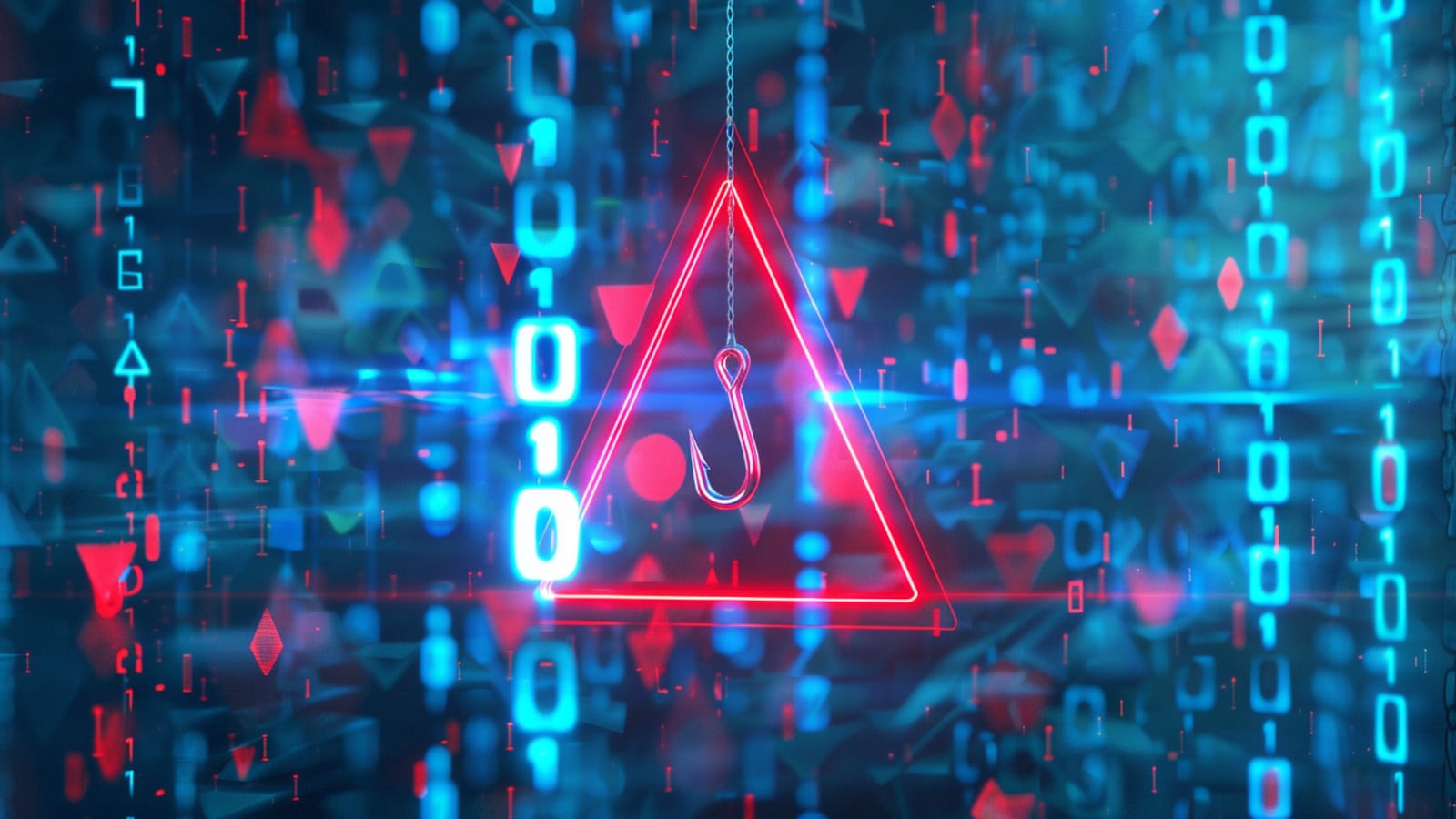
Stolen credentials turn authentication systems into the attack surface. That’s the brutal opener from Token’s latest breakdown, and damn if it doesn’t hit home. Picture this: phishing crews snag your login via a credential dump or spear-phish, then relay your MFA push to a proxy. You’re approved—bam, they’re in. It’s not a bug; it’s the architecture. Traditional MFA ties verification to sessions, devices, apps—ephemeral crap attackers mimic with ease.
Token’s wearable biometric auth? It verifies the user, not the session. A ring or wristband with biometrics (think vein patterns, ECG) that only you wear, only you activate. No phone needed, no app to spoof. Attackers can’t relay what they can’t touch.
Stolen credentials turn authentication systems into the attack surface. Token shows how wearable biometric authentication verifies the user—not the session—blocking phishing relays and MFA bypass.
Here’s the thing— we’ve been here before. Back in the ’90s, smart cards and hardware tokens like RSA SecurID promised the death of password-only logins. They worked, until shoulder-surfing and lost devices killed the vibe. Fast-forward (sorry, can’t help it), and now wearables echo that shift, but smarter. Biometrics baked into always-on jewelry? It’s the user-bound root of trust we should’ve built a decade ago. My unique take: this isn’t hype; it’s the quiet revenge of hardware security against cloud-first laziness. Companies like Google pushed passkeys, but those still relay over networks. Wearables? Physical. Immutable. Yours.
How Do Attackers Already Own Your MFA?
Push fatigue’s the low-hanging fruit. Spam those notifications till you tap ‘yes’ out of spite—done. But real pros use adversary-in-the-middle (AitM) attacks. They proxy your browser to the legit site, snag creds, relay the MFA to your real phone. You approve unknowingly; they feast.
Numbers don’t lie. Verizon’s 2023 DBIR pegs stolen creds in 49% of breaches. Microsoft’s stats? MFA blocks 99.9% of account compromises—until AitM hits, dropping it to peanuts. Why? Because SMS, TOTP apps, even hardware keys like YubiKey verify possession, not continuous identity. Attacker has your phone? Game over. Relay farms in Eastern Europe churn thousands daily.
But wait—enterprise setups with FIDO2? Better, yet still session-tied. Phishing sites trick you into authenticating there first. Creds flow; session tokens follow.
Why Does Wearable Biometrics Crush Phishing Relays?
Simple: proximity and liveness. Token’s device (smart ring, say) pairs via ultra-wideband or NFC to your laptop/phone, but demands a fresh biometric scan at auth time. Vein patterns—unique as fingerprints, harder to fake than face ID (liveness detects fakes via blood flow). Or behavioral: your gait, pulse. It’s not a one-off; it’s contextual.
Architecturally, this nukes the relay chain. Attacker can’t beam your wrist biometrics halfway across the world. No spoofing a live vein map without the hardware. And it’s continuous—re-auth every few minutes for sensitive actions, or on anomaly (sudden location jump).
Look, phone-based biometrics? Spoofable with photos, masks, even deepfakes now. Wearables are intimate, tamper-evident. Lose it? Revoke instantly via cloud kill-switch. (Pro tip: pair with geofencing for bonus paranoia.)
Token’s demo vids show it cold: simulated AitM, legit user approves on wrist—attacker’s screen blanks. No session, no entry. That’s the ‘how’—hardware as the unbreakable moat.
The why? We’ve over-relied on software trust models. Zero-trust promised per-session checks, but creds are king. Biometrics shift to human trust, bound to flesh and metal. Bold prediction: by 2026, 40% of enterprise MFA will mandate wearables, post a mega-breach exposing AitM at scale. (Call it the “Okta 2.0” reckoning.)
Corporate spin check: Token’s not alone—Yubico flirts with this, but their keys still need plugging. Oura, Whoop rings have biometrics ripe for security pivots. Hype? Sure, but the tech’s here. Skepticism warranted on battery life (two days max?), but solves the core flaw.
What About the Wearable Wars Ahead?
Apple Watch biometrics? Locked to their ecosystem. Android’s messy. Token’s play: cross-platform ring, enterprise-first. Integrates with Okta, Duo—plug it into your IdP, done.
Privacy angle—big. Biometrics on-device? Good. Cloud-synced templates? Risky. Token claims edge processing; verify that in audits.
One-paragraph deep dive: Scale it enterprise-wide, and you’ve got fleet management nightmares—provisioning thousands of rings, hygiene (sweaty wrists gross), inclusivity (what about prosthetics?). Yet, ROI screams: cut breach costs 80% per Ponemon. It’s messy human stuff, but beats ransomware roulette.
And the historical parallel I promised: like the BlackBerry’s physical keyboard killed touch-screen doubters, wearables will bury phone-MFA relics. Software ate hardware once; now hardware fights back.
🧬 Related Insights
- Read more: What to Watch This Week: Ransomware Reloads, Vulns Ignite, Nation-States Strike
- Read more: Security’s Wild Week: Phone Rentals, Stealer Swarms, and Meta’s Reckoning
Frequently Asked Questions
What is wearable biometric authentication?
It’s biometrics (veins, pulse) on a ring or band that verifies your physical presence for logins, blocking remote MFA tricks.
How does Token stop MFA bypass attacks?
By tying auth to your live body via wearable, not swappable sessions or devices—relays fail without the hardware.
Will wearable MFA replace passwords entirely?
Not yet—passwordless needs ecosystem buy-in, but it’s the strongest layer against stolen creds today.