The air in the SOC crackled. Not with emergency alerts, but with the low hum of routine – a kind of predictable dread. Another agent, this time at a third-party service desk, had just been duped. Impersonating an M&S employee, the attacker didn’t need zero-days or sophisticated exploits. All they needed was a convincing story and a willingness to exploit a process so fundamental, so mundane, it’s practically invisible: the password reset.
This isn’t just about a few disgruntled users locked out of their accounts. This is about how a seemingly innocuous IT function, costing organizations an estimated $70 per reset, has become a critical vulnerability. The M&S debacle, where online sales were suspended for five days to the tune of $5.1 million daily, wasn’t a tale of code injected into a database. It was a story of human trust, exploited with a phone call and a credential reset, bypassing multi-factor authentication (MFA) like it was a suggestion.
The Anatomy of an $70 Breach
Here’s the thing: attackers know the path of least resistance. And for them, the service desk is practically an open buffet. They don’t need to be nation-state actors with access to the dark web’s shiniest tools. A little social engineering, a few carefully chosen details about the ‘employee,’ and suddenly a legitimate-looking request lands in an agent’s queue. The attacker asks for a password reset, the agent obliges, and just like that, the keys to the kingdom are handed over. MFA? Irrelevant. Technical defenses? Bypassed.
In the M&S incident, the attackers, widely believed to be Scattered Spider, then use this initial foothold. They exfiltrated Active Directory’s NTDS.dit file – the treasure trove containing all domain user password hashes. This is where the offline cracking began, a brute-force assault on security that bypasses perimeter defenses entirely. Once inside, with escalating privileges and using seemingly normal login activity, they moved laterally for weeks. The final act? Ransomware. A sophisticated, devastating attack that brought a retail giant to its knees.
Why is the Service Desk a Goldmine for Attackers?
It’s the invisibility. From the service desk agent’s perspective, it’s just another ticket. User can’t log in. Standard procedure: verify identity, reset password, close ticket. The problem is that the ‘verification’ often relies on easily obtainable information – a name, an employee ID, perhaps the answer to a security question that’s been guessed or found on social media. The M&S breach wasn’t an anomaly; it was a symptom of a systemic weakness baked into many IT support structures.
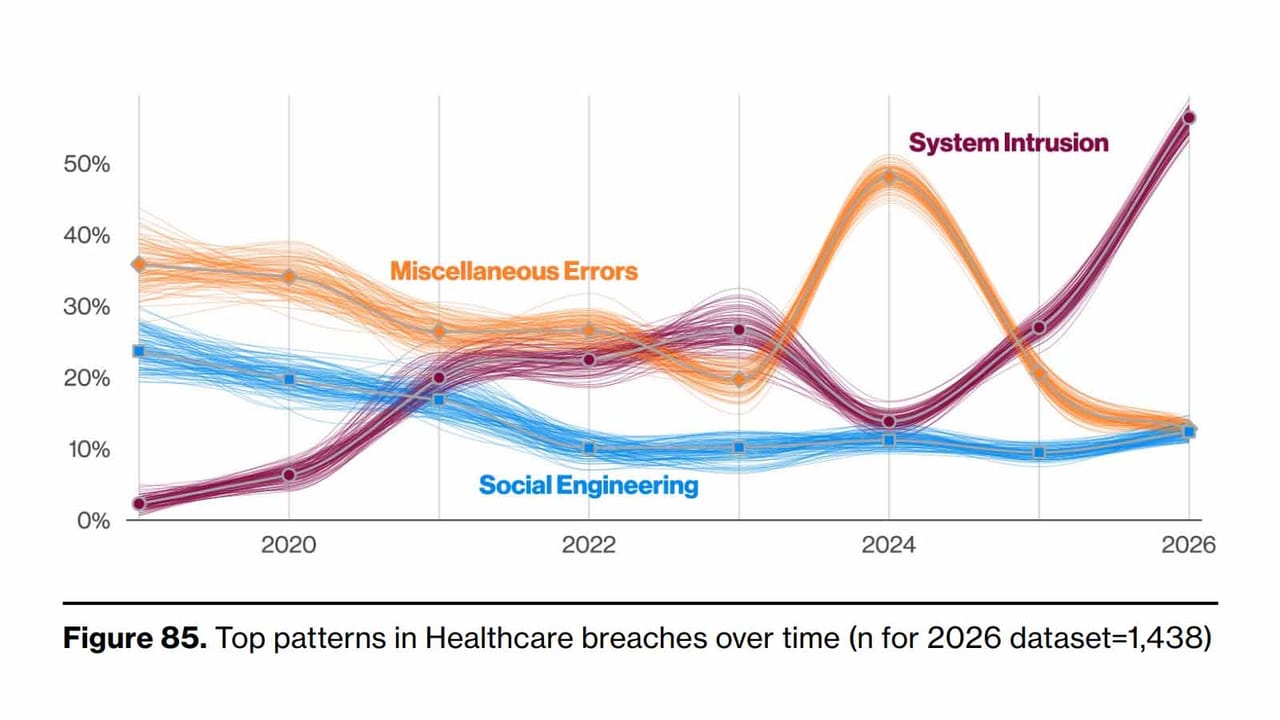
This is why relying on basic checks is like building a castle wall with tissue paper. Without a strong, foolproof method of confirming who’s actually making the request, every password reset becomes a potential gateway. TheVerizon Data Breach Investigations Report hit the nail on the head: stolen credentials are part of nearly half of all breaches. And what’s the easiest way to get stolen credentials? By tricking someone into resetting them for you.
Beyond the Phone Call: Fortifying the Front Line
Solutions like Specops Secure Service Desk are designed to intercede before the damage is done. They inject a layer of verified identity into the process. Instead of relying on potentially compromised knowledge, agents can trigger one-time codes to a user’s trusted device or authenticate through established identity providers like Duo or Okta. This isn’t about making things harder for legitimate users; it’s about creating a consistent, unassailable verification step that attackers can’t bypass with a phone call or a phishing email. Even if an attacker has convincing background information, they still need access to the user’s registered device or an MFA factor – a far higher bar than reciting a forgotten password hint.
This brings us to a critical architectural shift: the service desk isn’t just an operational cost center; it’s a primary security checkpoint. And if that checkpoint is weak, the entire infrastructure is vulnerable. The old ways of verifying identity – relying on what you know – are simply no longer sufficient in a world where data is readily available and social engineering is a mature, profitable industry.
Best Practices: Because Tools Aren’t Magic Wands
Even with advanced tools, human process and user behavior matter. Organizations already using secure service desk solutions need to double down on a few key areas:
-
Champion Self-Service Adoption: Every password reset that bypasses the helpdesk is a win. For organizations with SSPR in place, the focus needs to be on onboarding and user confidence. Clear, simple guides are paramount. If users know how to reset their own password securely, they’re less likely to call the helpdesk and become a potential victim.
-
Secure Temporary Credentials, Always: The hand-off after a verified reset is another choke point. A temporary password sent via unencrypted email or even spoken over the phone? That’s an invitation for an eavesdropper. Temporary credentials must be strong, single-use, and delivered through an encrypted channel. A reset shouldn’t remain active for more than a few minutes – anything longer is a standing vulnerability.
-
Monitor, Monitor, Monitor: What’s happening with password resets? Are there patterns of frequent resets for a single user? Repeated helpdesk calls? Users struggling with self-service? These aren’t just support issues; they can be early warning signs of account compromise, phishing attempts, or even disgruntled insiders. Visibility here reduces risk and refines processes.
Ultimately, the security of password resets isn’t a technical problem in isolation. It’s a human problem, an architectural problem, and a process problem. And the cost of getting it wrong, as M&S painfully demonstrated, is astronomical. The $70 ticket is a bargain compared to the potential fallout.