
Linux Root Exploit: Millions of Cloud Servers at Risk [CVE-2026-31431]
A nasty bug in the Linux kernel's crypto subsystem is letting unprivileged users become root. Millions of cloud servers are exposed.
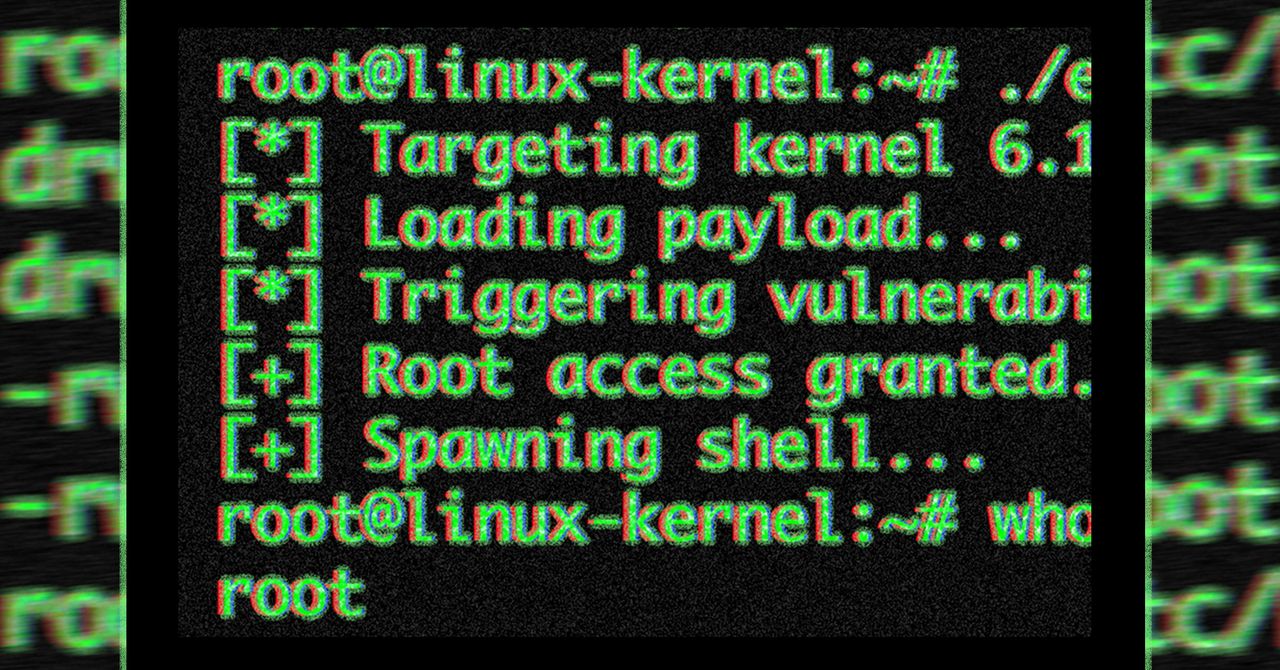

Linux is on high alert. A newly released exploit grants attackers root access to countless machines, bypassing standard defenses. The clock is ticking.
Linux systems have a serious problem. A flaw dubbed 'Copy Fail' allows any local user to achieve root access, and it’s been hiding in plain sight for seven years.
The digital foundations of the internet are shaking. A critical flaw in cPanel/WHM, the invisible scaffolding for millions of websites, has been weaponized, granting attackers the keys to the kingdom.
Frontier AI models are accelerating vulnerability discovery, but the real challenge now lies in prioritizing and remediating the deluge of findings. A new integration aims to tackle this growing problem head-on.
Apple's CoreAudio daemon is the latest to feel the sting of a sophisticated exploit. Researchers have detailed how a type confusion vulnerability can be weaponized to hijack control flow.
Dusted off from 2017: VirtualBox's custom Slirp heap lets attackers corrupt chunk headers, hijack zone pointers, and trigger arbitrary code on the host. A stark reminder that VM escapes aren't relics of the past.
What if the next tap on a Snapchat lure silently hands your iPhone to spies? Google Threat Intelligence reveals DarkSword, a full-chain iOS exploit now weaponized by multiple threat actors worldwide.
A malicious audio clip hits your Pixel 9. No tap required—it's already decoding, cracking open the door to hell. Project Zero just published the blueprint.
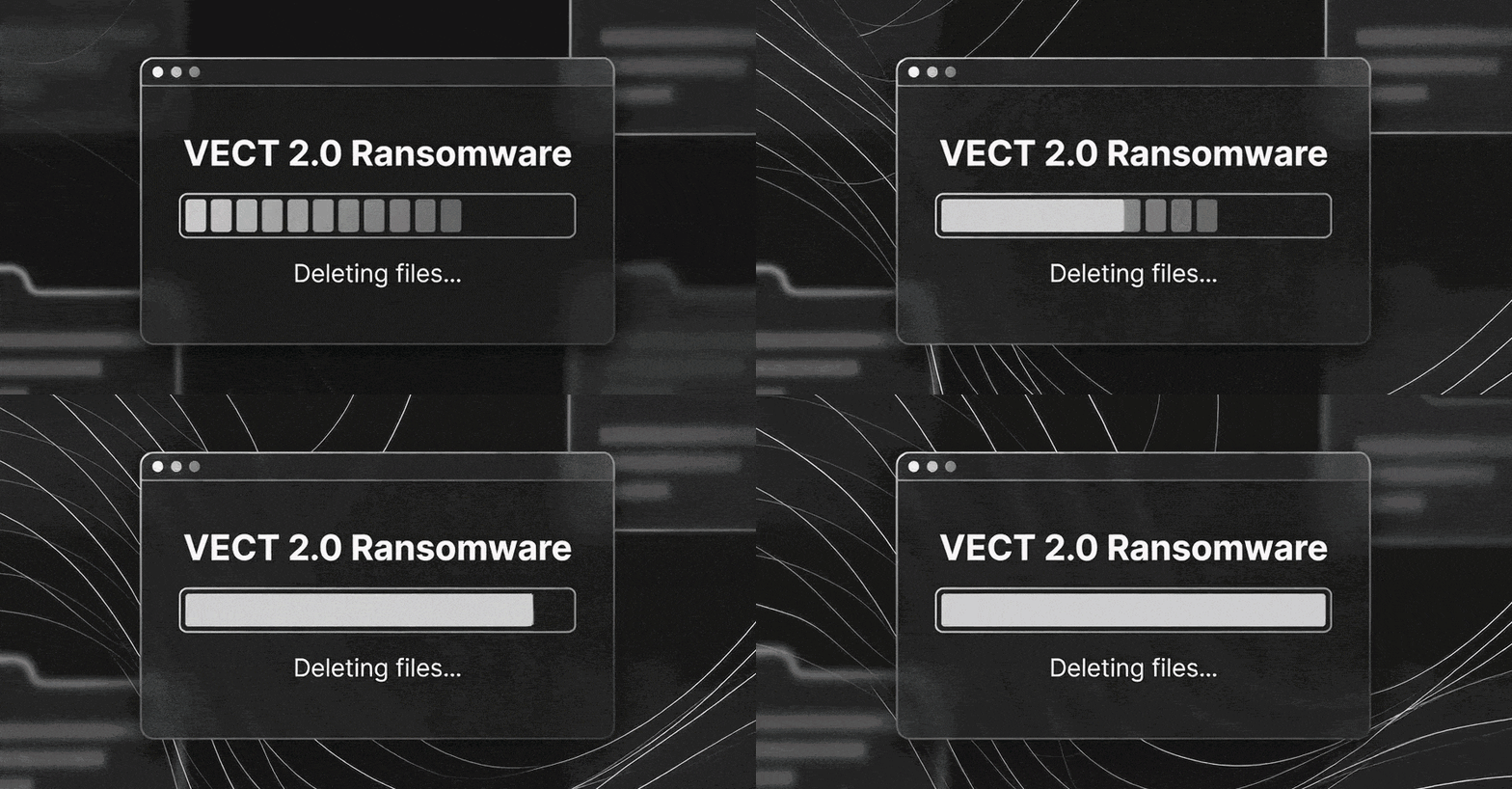
Everyone figured VECT 2.0 was the next slick RaaS contender, partnering with BreachForums and supply-chain hackers. Turns out, its encryption engine self-destructs large files — making it a wiper by bug.
Remember those fake booking emails promising a dream vacation? Turns out they're still around, and now they're packing a nastier punch. The shadowy TA558 group is back, and they've upgraded their malware delivery system.
Imagine paying a thief only to find they've smashed your valuables beyond repair. That's the terrifying reality of VECT 2.0, a ransomware that acts like a digital sledgehammer, crushing data instead of locking it.
Vimeo is reeling from a data breach impacting user and customer information, all thanks to a vulnerability exploited through a third-party vendor. The good news? Your actual videos and login details are reportedly safe.
Forget complex hacks; a single 'git push' might now be all it takes to compromise your GitHub repositories. This vulnerability is a stark reminder that even the most foundational tools can harbor hidden dangers.
Ransomware gangs usually target businesses. This time, they targeted each other. The fallout? A goldmine of intel for the good guys.
So, Vimeo's gotten themselves into a bit of a jam. Turns out, a breach at a third-party vendor, Anodot, means some of your precious Vimeo data might be out there.
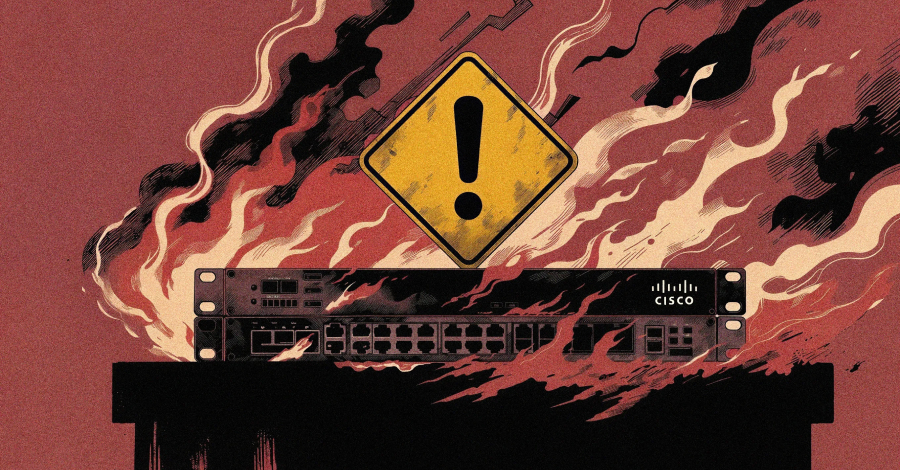
Cisco users, take note: a persistent new malware, dubbed Firestarter, is making a mockery of your security updates. This isn't just another bug; it's a sophisticated backdoor designed to survive patching, leaving even the most diligent administrators exposed.
Don't just think about servers and firewalls; think about people. TGR-STA-1030 isn't just a string of characters; it's a shadow reaching into the real lives of individuals and businesses in Central and South America.
That quiet period where your systems haven't been touched? It might be the most dangerous time for your organization. We've seen this horror movie before, and the ending is rarely happy.
Cisco devices are under siege from FIRESTARTER, a stealthy backdoor that clings to compromised systems even after security patches are applied. This isn't just a glitch; it's a fundamental challenge to patch management.