SparkCat's Sneaky Return: App Store Apps Now Hunt Your Crypto Seed Phrases
Two fake apps on Apple's pristine App Store. One on Google Play. All packing SparkCat malware that's eyeing your crypto wallet screenshots. Wake up, crypto bros.


Your Drift trading account? Frozen. $280 million gone to North Korean hackers who gamed the multisig. Everyday DeFi users pay the price for elite governance flaws.
Your next SMS from 'IT support' could hand hackers your company's keys. 0ktapus just proved MFA is no silver bullet, snaring thousands in a slick Okta phishing blitz.
Two billion WhatsApp users. One bad link. Microsoft's latest alert: VBS malware via chat that's dodging UAC like a pro.
Peiter Zatko didn't mince words. Twitter whistleblower complaint reveals a company riddled with security holes—and national security nightmares.
Enterprise security's favorite villain, Doctor No, is finally on life support. Blocking tools drives shadow IT—time to secure the session instead.
Apple swore iPhones were the secure choice. Now two zero-days prove otherwise, with exploits already in the wild. Time to hit update, folks.
A single USB drive lit the fuse, but three separate China-aligned crews kept the fire burning across a Southeast Asian government's network for months. This isn't random—it's a masterclass in divided ops.
Banks thought two-factor was ironclad. Crooks just rented virtual phones to laugh it off. Welcome to security's latest clown show.
A Texas hospital's network hack just put 250,000 people's most sensitive data in hackers' hands. SSNs, medical records, photos—all potentially swiped, with zero free protection from the hospital.
Your browser cookies are still at risk from basic infostealers, but the AI twist? It's more theater than terror. Here's why the hype around AI-powered malware doesn't match reality—for now.
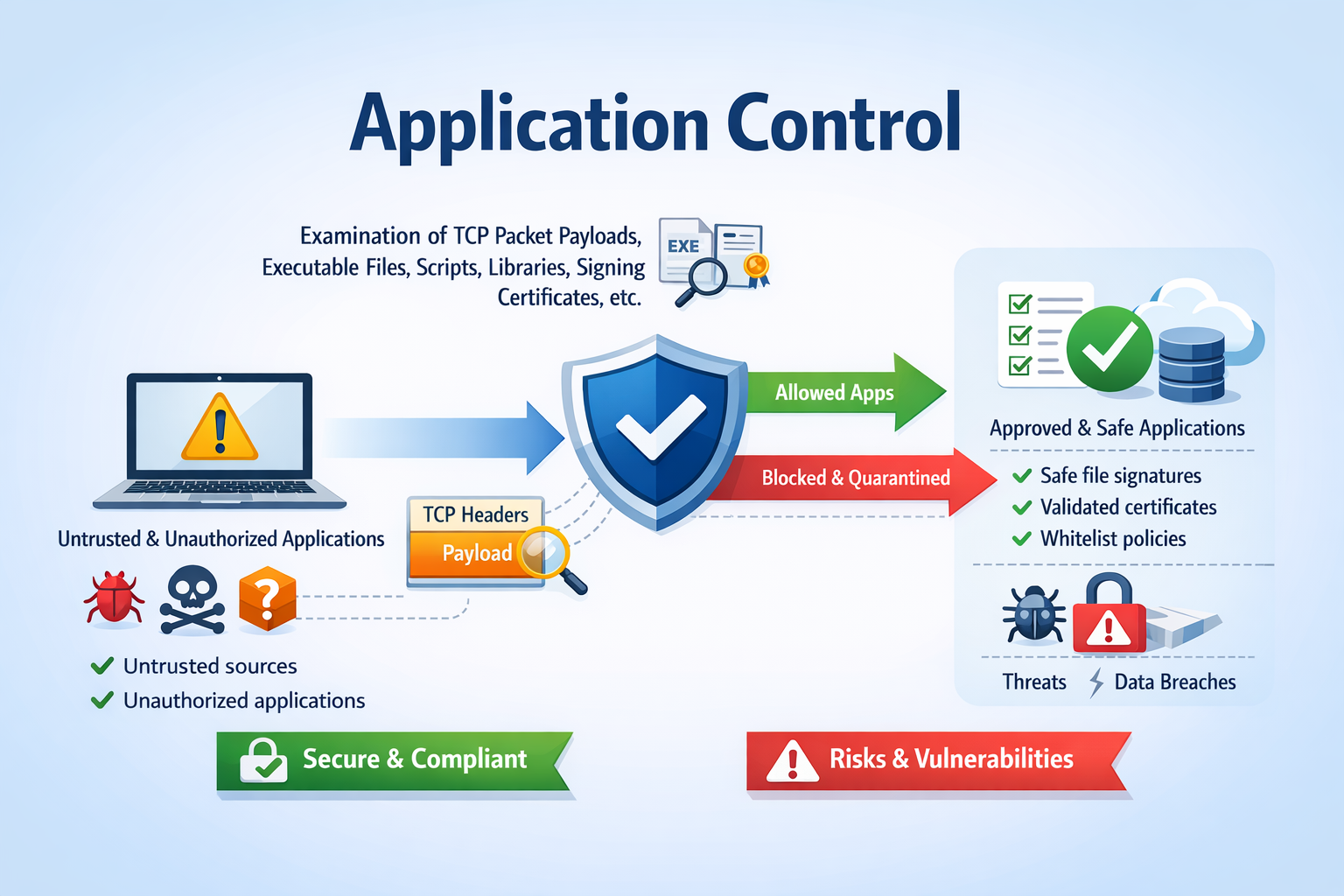
Ever wonder why your shiny next-gen firewall lets the first 5KB of hacker traffic sail through? It's not a bug—it's the feature killing your data exfiltration defenses.
Forget the boardroom pitches—your IT team's drowning in alerts, and AI might finally lighten the load. But after 20 years watching Valley hype cycles, I'm asking: is this different, or just another vendor gold rush?
Billions of Windows users wake up to 77 fresh patches today. Skip them, and you're handing attackers the keys — especially with AI now spotting flaws humans miss.
UK's NCSC just sounded the alarm on F5 BIG-IP's CVE-2025-53521. Active exploits mean remote code execution; patching isn't optional.
Picture this: your company's defenses crumbling under relentless cyberattacks, while a pool of battle-tested, self-taught cyber talent in LatAm goes begging. It's not hype—it's the next frontier for desperate security teams.
Your cloud bill explodes overnight — crypto rigs humming on your dime. That's TeamPCP breaches in action, turning pilfered credentials into instant chaos for businesses everywhere.
Picture this: a forgotten USB on the train, spilling HR secrets to strangers. UK firms reported a seven-year high in employee data breaches last year, and it's not hackers—it's us.
EvilTokens just landed, and it's arming script kiddies with pro-level phishing tools for Microsoft accounts. Business email compromise? Now easier than ever.
You search 'Claude Code leak' on Google. Top result: a shiny GitHub repo promising unlocked features. Click download, and Vidar stealer burrows into your machine. Anthropic's slip-up just supercharged a classic scam.