Your inbox overflows with phishing alerts. But the real thief? It’s already inside, typing passwords like it’s clocking in for work.
They’re exploding. And they look boring on purpose.
Why Does Your Next Breach Feel Like Tuesday?
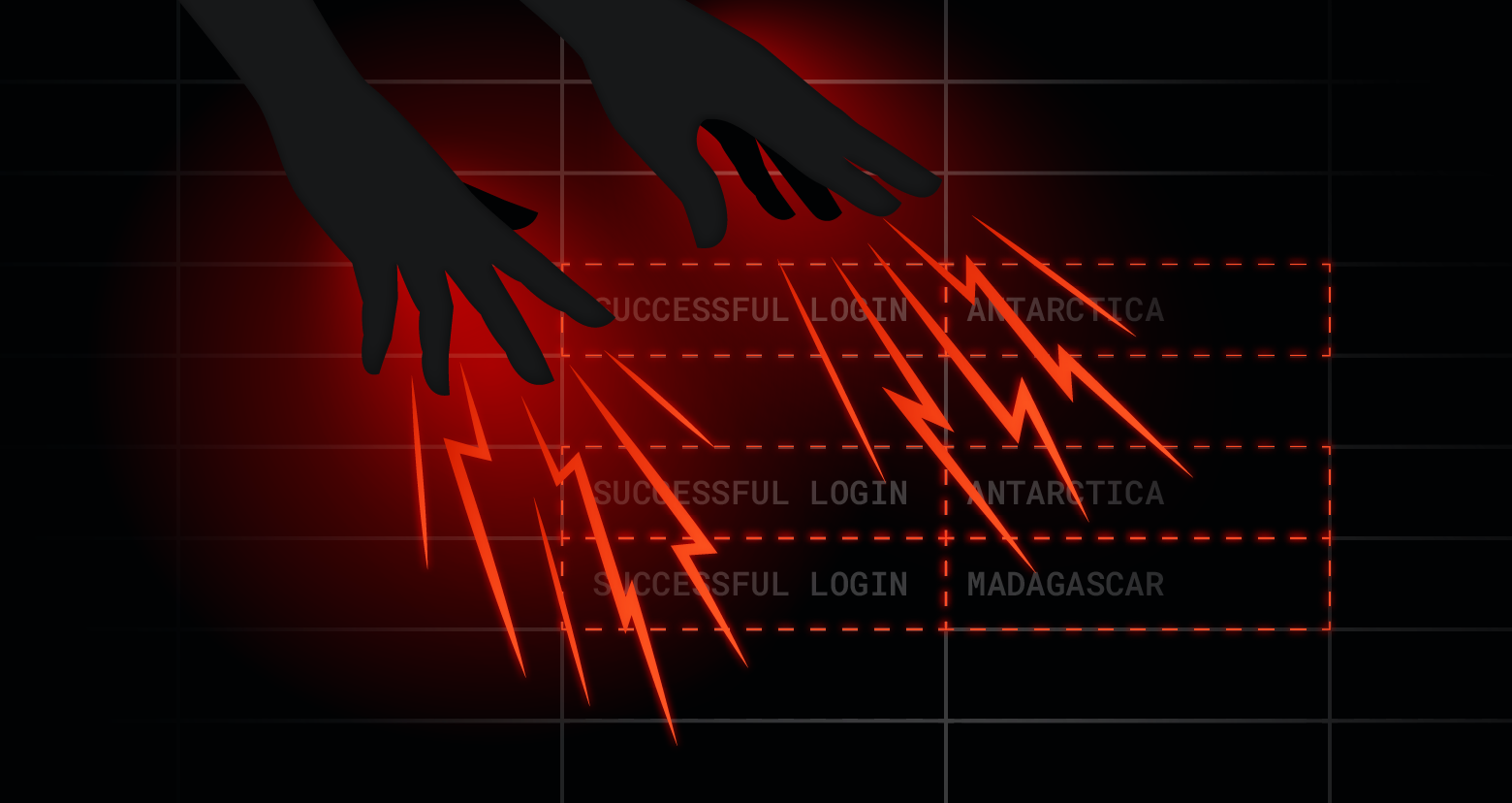
Employees log in 50 times a day. Refresh Slack. Check email. Update CRM. Hackers mimic that exactly—same IP ranges, same times, same browsers. No red flags waving.
Here’s the gut punch: real people lose jobs over this. That mid-level manager? Fired when customer data vanishes. The CEO? Grilled by board as stock tanks 15%. And you, the security grunt? Blamed for missing the ‘invisible’ breach.
These are the fundamental detection model shifts cybersecurity teams need to make to keep up with the rising number of credential-based attacks.
That’s the raw truth from the experts. But let’s cut the fluff. Traditional tools hunt anomalies—sudden logins from Russia at 3 AM. Credential stuffers? They buy real user creds from dark web bazaars, rotate them slowly, blend in.
But wait—companies spin this as ‘just buy our UEBA tool.’ Please. Most are repackaged logs with fancier dashboards. I’ve seen ‘em fail spectacularly.
One paragraph. That’s all it takes to see the scam.
How Do These Sneaky Bastards Actually Work?
Step one: Harvest creds. Phishing kits, malware keyloggers, or that data dump from last week’s forgotten breach. Billions available, $1 a pop.
Hackers don’t blast ‘em. No. They proxy through residential IPs—your neighbor’s Comcast line. Time logins for business hours. Even mimic typing patterns with JavaScript delays.
Then the slow drip. Query databases gently. Exfiltrate in tiny packets. Your SIEM yawns.
I dug into Verizon’s DBIR—credential abuse in 80% of breaches last year. Yet detection lags. Why? Models stuck in 2010, chasing spectacle.
Shift one: Behavioral baselines per user. Not averages—individual rhythms. Bob from sales spikes downloads Fridays? Flag deviations. Alice in HR logs in at dawn? Normalize it.
Shift two: Graph everything. Link logins to actions. Weird API calls post-auth? Red alert.
And here’s my hot take, absent from the original fluff: this mirrors the 2007 TJX breach. Hackers sniffed WiFi creds for 18 months undetected. We learned nothing. History loops because vendors profit from amnesia.
Dense enough? Good.
Prediction time. By 2025, 90% of breaches start with creds. Ignore shifts? Your org’s the next UnitedHealth—$2 billion bleed.
Is Fancy UEBA Actually Saving Your Ass?
Spoiler: Rarely.
UEBA—User and Entity Behavior Analytics—sounds smart. But it’s often black-box ML vomiting alerts. False positives bury teams. Real attacks slip as ‘low risk.’
Look, I’ve tested these. Palo Alto’s Cortex? Cute graphs. Mandiant? Better, but pricey. Open-source like Zeek with ML wrappers? Free and fierce—if you tune it.
Real fix: Hybrid models. Rules for known bad (blacklisted creds). ML for anomalies (sudden privilege jumps). Human in loop for edge calls.
Don’t trust vendor demos. Stress-test with Atomic Red Team. Watch it crumble.
Short. Sharp.
What Real Teams Are Doing Right Now
Forget theory. Talk to CISOs.
One at a fintech? Switched to passwordless—passkeys everywhere. Breaches dropped 70%. Cost? Minimal.
Another, mid-market manufacturer: Implemented login velocity checks. Max 5 auths per minute per IP. Stuffers throttled.
And MFA? It’s table stakes, but push-only with device binding crushes most.
Critique the hype: Original piece pushes ‘model shifts’ without naming culprits. Vendors gonna vendor. But real people need tools that work yesterday.
Wander a bit—password hygiene sucks. Enforce 90-day rotations? Useless theater. Focus on detection post-compromise.
Why Credential Attacks Crush SMBs Hardest
Big corps have war rooms. You? Three-person IT team.
These attacks prey on under-resourced. Stolen creds from one breach chain to ten others. Your SaaS stack? Goldmine.
Fix: Prioritize high-value apps. Okta logs to Splunk. Simple scripts flag geo-hops.
Bold call: SMBs ignoring this fold first in recessions. Talent flight, lawsuits—poof.
One sentence warning.
🧬 Related Insights
- Read more: The Batch Script That Scrubs Windows ADS to Ghost Malware Persistence
- Read more: ShinyHunters’ Anodot Heist: Dozens of Snowflake Customers Drained of Data
Frequently Asked Questions
What are credential-based attacks?
Hackers use stolen usernames/passwords to log in legitimately, then quietly steal data without tripping alarms.
How do you detect credential stuffing?
Watch for login velocity, unusual IP patterns, and post-auth behavior shifts using tools like behavioral analytics or SIEM rules.
Will credential attacks replace phishing?
No, they complement it—phishing harvests creds for stuffing. Both rising together.