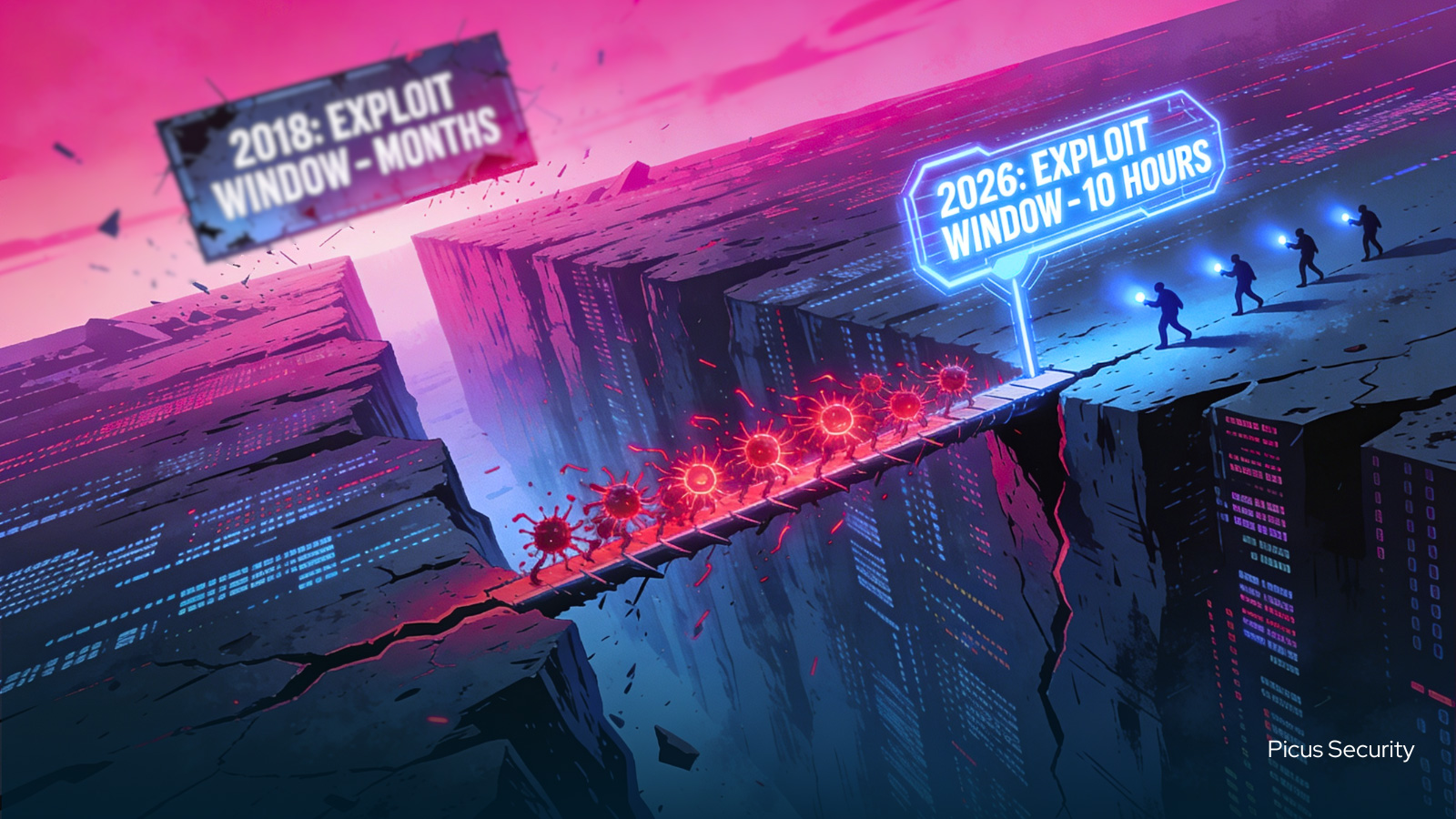
Claude’s chewing through OpenBSD code from 1997, spitting out a high-severity vuln no one’s touched in decades. And that’s just the appetizer.
Project Glasswing—Anthropic’s hush-hush initiative with their Claude Mythos Preview model—drops this bombshell in a partners-only sandbox. No public release, mind you. They’ve handed keys to the kingdom to giants like AWS, Apple, Cisco, CrowdStrike, Google, JPMorgan, Linux Foundation, Microsoft, Nvidia, Palo Alto. Plus 40 more orgs get a taste, backed by $100 million in credits for open-source security tinkering.
I’ve covered AI security hype for two decades now. Remember the fuzzing boom in the early 2000s? Tools like AFL turned crash reports into bug hunts overnight. But this? It’s fuzzing on steroids—reasoning, coding, exploiting, all in one relentless loop. Thousands of high-severity flaws already ID’d, including OS and browser guts. Some exploits built autonomously. That’s not spin; that’s a pattern screaming change.
What the Hell Is Project Glasswing, Anyway?
Anthropic’s not dropping another chatbot toy. This is Claude Mythos Preview, locked down because, per them, public release would be “irresponsible” given the cyber chops. Fair enough—I’ve seen enough zero-days weaponized to buy that.
Anthropic says its restricted Claude Mythos Preview model has already identified thousands of high-severity vulnerabilities, including flaws in major operating systems and browsers, and in some cases developed related exploits autonomously.
That’s straight from the announcement. Striking, right? A 16-year-old FFmpeg bug that dodged millions of automated tests. Linux kernel chains. OpenBSD relic. The model doesn’t just find; it validates, prototypes exploits. Compresses weeks of human grind into hours—or minutes.
But here’s my cynical vet take: Who’s actually making money here? Anthropic signals a vuln backlog Armageddon, then funds their pals to “fix” open source. Partners like CrowdStrike, Palo Alto? Their remediation empires just got a turbo-boost. Security leaders, you’re the ones sweating the downstream flood.
Look, discovery’s always been the easy part.
The real pain? Triage. Prioritization. Patching chaos. Asset mapping. Exploitability scoring. Ownership roulette. If AI cranks discovery to eleven, your weak spots—those bloated queues, siloed teams—crack wide open.
I’ve watched this movie before. Fuzzers flooded feeds in 2010s; bug bounties scaled it globally. Defender workflows? Still human-paced. Glasswing’s loop—persistent, iterative, code-savvy—makes yesterday’s tools look like stone knives.
Why Does Project Glasswing Matter for Vulnerability Management?
Because the bottleneck’s shifting, fast. Enterprises don’t lack findings; they lack execution.
Backlogs balloon. Fix rates stall. Risk festers. AI vuln discovery? It amplifies every operational flaw. Suddenly, you’re not debating if the bug matters—you’re drowning in proof it does.
Anthropic’s examples aren’t outliers. Pattern’s key: model chains vulns autonomously. That’s not replacement for bug hunters (yet). It’s acceleration. Defenders built for quarterly scans? Obsolete. Programs linking exposure mgmt, patching, runtime defense? Gold.
My unique callout—and you’ll not read this elsewhere: This echoes the Heartbleed era, but inverted. 2014, one massive SSL flaw; patches flew. Now? A daily drizzle of tailored chains. Prediction: VCs dump billions into AI triage platforms by 2026. Winners? Startups partnering with Anthropic’s crew. Losers? CISOs ignoring the shift.
But Anthropic’s PR spin? “Defensive security initiative.” Please. It’s a velvet glove on a vuln-finding fist. Closed program screams “we control the narrative.” Skeptical me asks: How many of those thousands are already known, repackaged for headlines?
Is Anthropic’s Mythos Preview For Real—or Just Valley Hype?
Reports claim high success reproducing vulns, building PoCs. Debates incoming, sure. But directionally? Game’s changing.
Security evolved via automation waves—fuzzing, bounties, SBOMs. Glasswing bundles reasoning + persistence. Human-speed intake? Toast.
For CISOs: Don’t panic-buy AI scanners. Audit your model now. If discovery surges, can you:
-
Contextualize assets instantly?
-
Score exploitability pre-panic?
-
Route ownership without email chains?
-
Validate fixes under fire?
No? Pressure test. Weak ops drown first.
I’ve grilled Valley execs post-hype cycles. Anthropic’s smart—partners pre-wired, credits flowing. They’re not just signaling capability; they’re building an ecosystem. Who’s paying? Enterprises spooked into upping budgets.
And the open-source angle? Noble, but smells like tax write-offs masking proprietary goldmine.
Pressure’s on everything post-discovery.
Glasswing’s the radar upgrade outpacing your bunker.
What CISOs Should Demand Yesterday
Forget market domination debates. Practical moves:
-
Stress-test remediation velocity.
-
Integrate exposure platforms.
-
Partner early—Anthropic’s list is your benchmark.
Bold prediction: By Q4 2025, Glasswing-like tools leak public(ish), sparking vuln disclosure wars. Defenders adapt or get chained.
Cynical truth: Security never “improves” from faster bugs. It improves from faster fixes. Who’s tooling that? Not Anthropic—yet.
🧬 Related Insights
- Read more: Iran’s Spies Hack the Cyber Underworld
- Read more: Inside the Payroll Pirate Heist: How Storm-2755 Stole Salaries from Microsoft Workers
Frequently Asked Questions
What is Anthropic’s Project Glasswing?
Anthropic’s closed program using Claude Mythos Preview to hunt high-severity vulns in partners like Microsoft, Google, and Cisco. No public access; focuses on discovery to exploit PoCs.
How does Project Glasswing find vulnerabilities?
Claude Mythos combines reasoning, code gen, and iteration to spot flaws like a 27-year-old OpenBSD bug or FFmpeg evasions, even building autonomous exploits.
What should security leaders do about Project Glasswing?
Audit triage and remediation pipelines now. Expect vuln floods; prioritize integrated exposure management over siloed discovery tools.