Forget the breathless pronouncements and geopolitical theater for a second. What does this latest, rather dramatic, U.S. government pronouncement about cracking down on cyberscam operations in Southeast Asia actually mean for you, the person who still occasionally gets that sketchy email about an inheritance from a Nigerian prince you never knew you had?
It means, potentially, fewer dollars vanishing into the digital abyss. Americans lost a staggering $21 billion to cyber-enabled crimes and online scams in 2025 alone, according to the FBI. That’s not pocket change; that’s folks’ retirement funds, their emergency savings, their rent money. So, any move that shores up defenses and hits the perpetrators where it hurts—their ill-gotten gains—is a net positive for the average citizen. It’s about making the internet a slightly less terrifying place to do, well, anything.
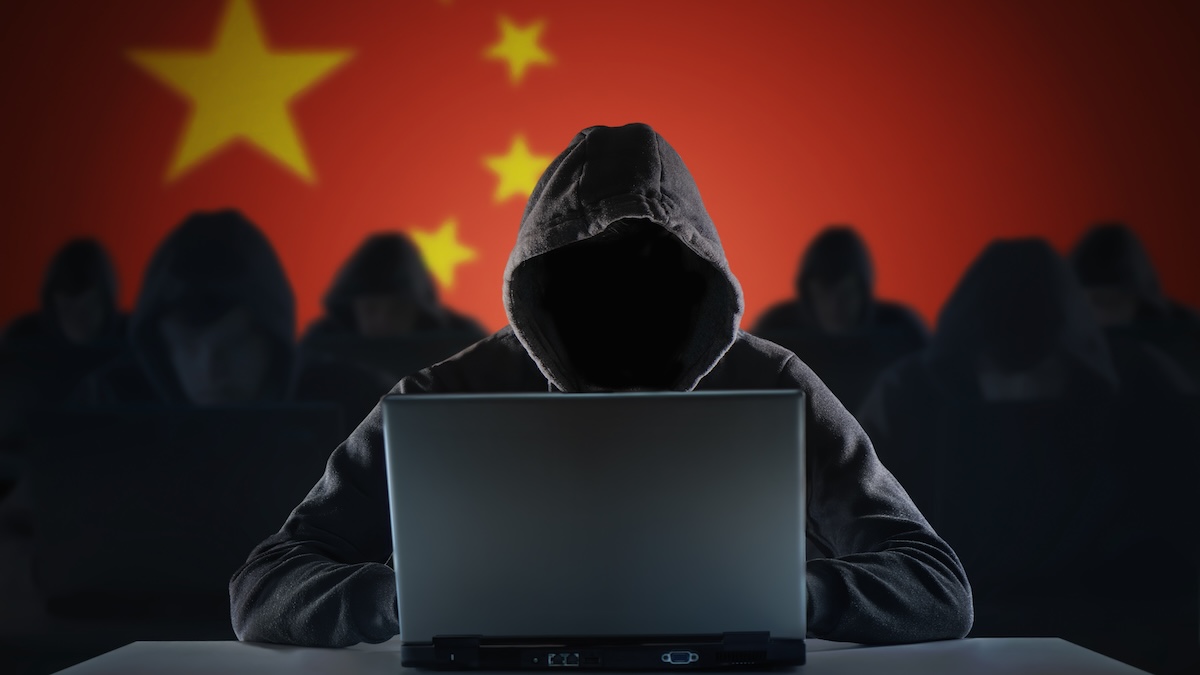
But let’s not get too misty-eyed about justice. This isn’t purely about altruism. This is about national security, economic stability, and, if you scratch the surface, it’s about who controls the narrative and the flow of money. The U.S. Attorney Jeanine Pirro’s characterization of this as a “new theater of war” against “Chinese transnational organized crime” tells you exactly what game we’re playing. It’s not just about catching scammers; it’s about drawing lines in the sand and asserting dominance.
The High-Tech Sweatshop Connection
What really makes this crackdown noteworthy, beyond the headline-grabbing sanctions, is its explicit connection to human trafficking. These aren’t just anonymous hackers in a basement somewhere. We’re talking about sophisticated operations that lure victims with promises of legitimate jobs, only to force them into running romance and crypto scams under conditions that sound an awful lot like modern-day slavery. Think about it: people are being trafficked to operate scams. It’s a disgusting, multi-layered rot.
The Treasury Department’s sanctioning of Cambodian Senator Kok An, described as a “scam center kingpin,” and 28 other individuals and companies, is a significant move. Blocking his U.S. assets and prohibiting American entities from doing business with him is supposed to cut off his financial lifelines. It’s a blunt instrument, sure, but sometimes blunt instruments are necessary.
“His Excellency Kok An is a Cambodian Senator and he was elected by elections, and as a senator he has parliamentary immunity.”
That quote from Chea Thyrith, a Cambodian Senate spokesperson, is a gem. It highlights the thorny intersection of international law, sovereignty, and criminal enterprise. You can sanction a senator, but parliamentary immunity is a real thing, and it complicates efforts to bring the hammer down. This isn’t the first time the U.S. has gone after a Cambodian senator for alleged scamming ties; Ly Yong Phat faced similar sanctions in 2024. The pattern is clear: these individuals are deeply embedded in the political and economic structures of their nations.
Following the Money: Who’s Really Cashing In?
Here’s the question that keeps me up at night, and it should keep you up too: Who is actually making money here, besides the victims of the scams? The U.S. government is undoubtedly spending a fortune on this strike force, comprising the U.S. Attorney’s Office, the DOJ’s Criminal Division, the FBI, and the Secret Service. There are investigative costs, legal fees, sanctions enforcement—it all adds up. But what’s the ROI for Uncle Sam, beyond a reduced number of heartbroken and bankrupt citizens?
And what about the Cambodian government? They’ve passed new laws targeting scam operations, vowing to shut down centers by the end of April. But then they extradited an alleged scam kingpin, Chen Zhi, to China despite U.S. authorities wanting him. That’s a pretty clear signal about where their loyalties, or perhaps their financial incentives, lie. It’s a global game of whack-a-mole, and sometimes it feels like the mole knows the tunnels better than the person trying to squash it.
My unique take? This isn’t just about stopping scams; it’s about geopolitical posturing. By framing it as a war against Chinese organized crime, the U.S. is striking a blow in a larger, ongoing strategic competition. It’s a way to exert influence, disrupt rival networks, and potentially create openings for… well, for other actors to step into the vacuum. We’ve seen this playbook before. Remember the global war on drugs? It disrupted some operations, yes, but it also fueled others and created new cartels, often with shadowy state backing. History, as they say, doesn’t repeat itself, but it often rhymes.
Why Does This Matter for Developers?
For the tech folks building the infrastructure, the messaging apps, the encryption tools—this crackdown is a double-edged sword. On one hand, it’s a reminder that the tools they build can be misused for devastating ends. On the other, it can lead to increased scrutiny and potential overreach by governments. When you shut down a Telegram channel used for recruitment, that’s one thing. When the pressure leads to demands for backdoors or broader surveillance capabilities, that’s a whole different ballgame for privacy and digital freedom.
And let’s not forget the sheer audacity of seizing evidence like 8,000 phones and 1,500 computers from an abandoned scam center. That’s a data goldmine. Who gets to analyze it? What insights are gleaned? And more importantly, who gets to use that data down the line? This is where the lines between law enforcement and intelligence gathering get blurry, and that’s a concern for anyone who values their digital privacy.
🧬 Related Insights
- Read more: CISA Adds 4 Exploited Flaws to KEV | May 2026 Deadline Looms
- Read more: BPFdoor: Stealth Backdoors Buried Deep in Global Telecom Arteries
Frequently Asked Questions
What does this crackdown mean for victims of scams?
It means there’s a better chance of financial recovery and a reduced likelihood of falling victim to similar scams in the future, as the U.S. targets the infrastructure and key players behind these operations.
Will this stop all cyberscam operations in Southeast Asia?
Unlikely. Cybercrime is a fluid and adaptable industry. While this crackdown will undoubtedly disrupt many operations, new ones will emerge, potentially in different forms or locations.
Is this crackdown politically motivated?
Given the framing of the operation as a war against “Chinese transnational organized crime,” it’s reasonable to assume geopolitical factors and competition play a significant role alongside genuine efforts to combat cybercrime.