Picture this: a dingy chat room on some obscure Telegram channel, where a single 🧰 pops up next to a link promising ‘tools for the trade,’ and nobody bats an eye at the antivirus bots scanning the logs.
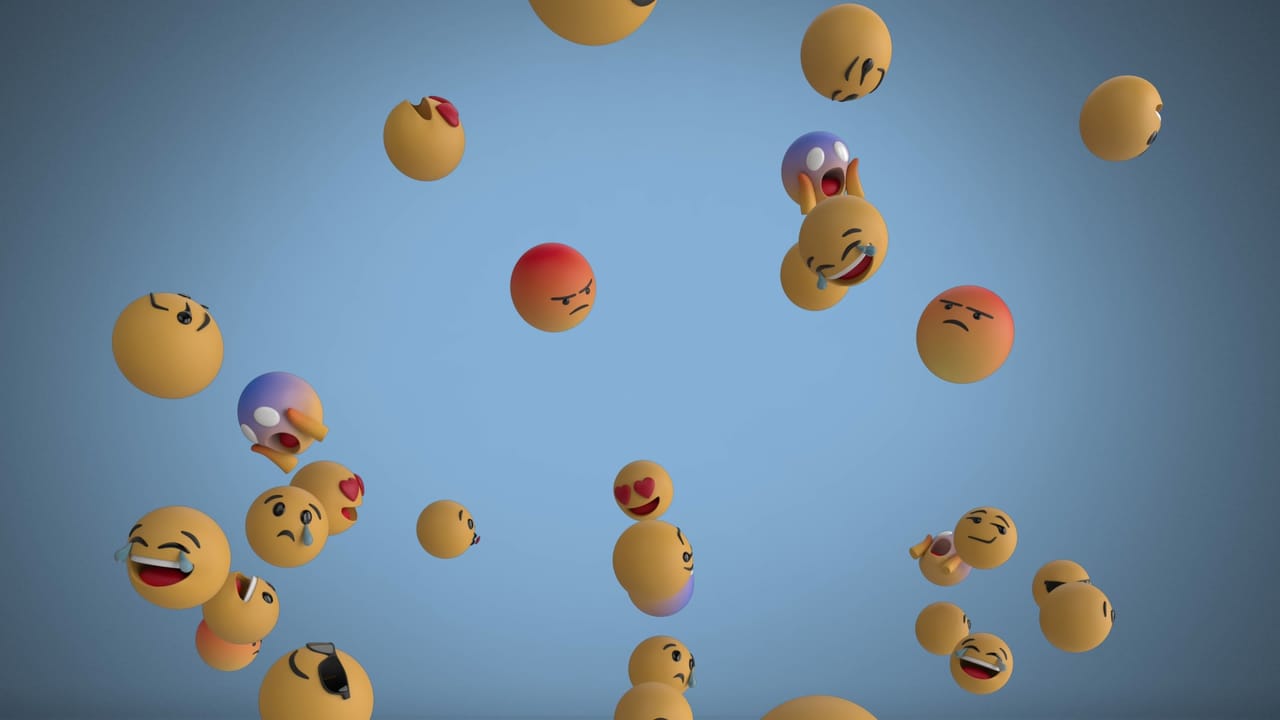
Threat actors emojis. That’s the new game in town, folks who’ve been dodging filters for years by turning smileys into secret handshakes. I’ve seen it all in two decades chasing these digital ghosts from Silicon Valley boardrooms to shadowy forums—PR flacks hyping ‘AI-powered detection’ while the bad guys just emoji their way around it.
And here’s the thing—it’s working. Platforms like Discord, Telegram, even Twitter’s darker corners, they’re crawling with posts where 🤖 means ‘botnet ready to rent,’ or 🔥🔥 signals fresh exploits hotter than a stolen credit card batch. Security firms pat themselves on the back for keyword blocks, but emojis? They’re visual hieroglyphics that sail right through.
When 🤖 means “bot available,” 🧰 signifies “toolkit,” or 💰💰💰 translates to “big ransom,” bad actors can evade filters and keep it all on the down-low.
That’s straight from the threat intel wires buzzing this week. Simple, right? But don’t kid yourself—this isn’t some kid’s prank. Ransomware crews are raking in millions, logins peddled like candy, all coded in cartoon squiggles.
Why Are Threat Actors Turning to Emojis Now?
Blame the filters, they’re getting smarter—too smart, some say. Machine learning models trained on text patterns? They’ve nailed ‘phishing kit’ and ‘zero-day,’ but emojis were the blind spot. Hackers noticed. Why spell out ‘ransomware payload’ when three 💰s scream ‘payday’ to anyone in the know?
It’s lazy genius. No need for fancy obfuscation scripts or VPN chains when a 🌐🌐🌐 whispers ‘global botnet access.’ And the buyers? They’re in on it, trading in a lexicon that’s evolved faster than Darwin’s finches. Remember the old days of Leet speak, swapping ‘e’ for ‘3’? This is that on steroids—visual, shareable, and utterly human.
But.
Let’s cut the crap: who’s really winning here? Not us. Security vendors will spin this into a sales pitch—‘Upgrade to our emoji-aware scanner!’—while the hackers laugh all the way to the crypto wallet. I’ve covered enough breaches to know: detection lags six months behind offense, always has.
My unique take? This reeks of WWII Enigma parallels—Allies cracked the codes, but only after years of blood. Today, threat actors emojis are the new rotor settings, and our Turing machines (fancy name for LLMs) aren’t tuned for it yet. Predict this: by 2025, half the dark web markets will be emoji-only, forcing defenders to hire linguists over coders.
Short paragraphs like this one keep you reading. Good.
Now, drill down. Take the LockBit crew—they’ve been spotted using 👑 for ‘admin access’ in affiliate chats. Or Conti remnants, where 🛡️🛡️ means ‘AV bypass toolkit.’ It’s not random; it’s a dialect, passed forum to forum, evolving weekly. One slip—say, a naive mod flagging 🔥 as spam—and the whole channel ghosts.
Can Security Tools Catch Up to Emoji Evasion?
Doubt it, not fast enough. Current NLP detectors parse Unicode as fluff, not freight. Train ‘em on emoji contexts? Sure, but hackers pivot—tomorrow it’s kaomoji (^_^) or dingbats. It’s whack-a-mole with infinite moles.
Look, I’ve grilled CISOs at Black Hat who admit it: ‘Our SIEMs choke on mixed media.’ Emojis mix text and icons, baffling regex forever. Solution? Multimodal AI, scanning images-as-text. But that’s pricey, and who’s paying? Enterprises already nickel-and-dime on basics.
Cynical? You bet. Big Tech pushes ‘safe spaces’ while Telegram shrugs—Zuckerberg’s got his moat, but Pavel Durov? He’s the wild west sheriff who doesn’t care. Meanwhile, underground economies boom: $10k for a 🧰 that cracks banks.
Here’s a dense bit: Vendors like CrowdStrike or SentinelOne will drop patches—promise you that—but they’ll miss the forest. Real fix? Human intel, old-school undercover work in those emoji dens, mapping the symbols like cartographers. Tech alone? It’s lipstick on a filter pig. We’ve seen it with polymorphic malware; this is just the pictogram version, and history says attackers stay ahead, pocketing the gains while we chase shadows.
One sentence: Terrifying.
How Do Everyday Users Spot This Nonsense?
You? Check your kid’s Discord for 🤑 next to shady links. Enterprises? Audit logs for emoji spikes—correlate with traffic bumps. But honestly, it’s the tip. Deep fakes incoming: AI-generated emoji threads masking C2 channels.
Bold prediction: nation-states jump in next. China’s APTs already use WeChat stickers; imagine PLA hackers emoji-ing zero-days to proxies. Uncle Sam scrambles, Congress holds hearings—rinse, repeat.
Wander a sec: Back in ‘08, I covered Storm Worm’s social engineering—peer pressure via email. Emojis? That’s peer pressure 2.0, viral and vapid. Who’s monetizing? The actors, duh, but also emoji app devs unwittingly aiding via Unicode standards.
Enough doom. Action time.
Train your teams—quiz ‘em on common symbols. 🐛? Worm. 💻🔓? RDP cracker. Filters evolve, but humans first.
🧬 Related Insights
- Read more: Employee Data Breaches Hit UK Seven-Year High—Blame the Hybrid Hustle
- Read more: Germany Names REvil’s Ringleaders: 130 Attacks, €35M in Pain – Justice or Just a Whack-a-Mole?
Frequently Asked Questions
What are threat actors using emojis for?
They’re encoding malware sales, botnet rentals, and ransomware ops to bypass keyword-based detection in chats and forums.
How do emojis help hackers evade security?
Filters scan text, not symbols, so 💰💰 skips ‘ransom’ blocks while insiders get the message.
Will antivirus software block emoji threats soon?
Some will try multimodal scanning, but hackers adapt fast—expect an arms race.