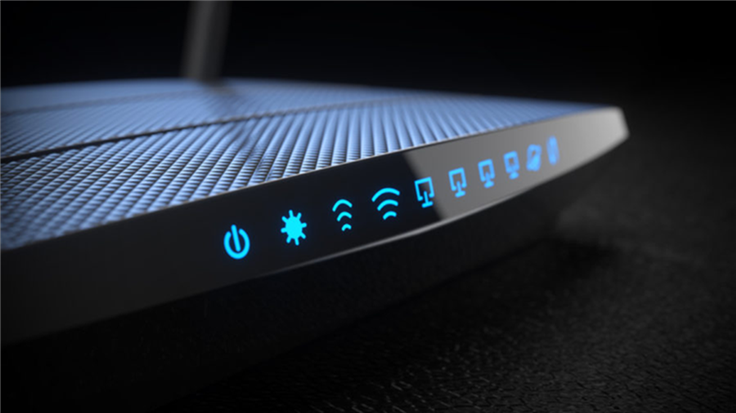
Routers are traitors.
I’ve chased Silicon Valley hype for two decades, watched startups promise the moon on “secure IoT,” only to ship junk that crumbles under basic attacks. Now Russia’s APT28—yeah, those Fancy Bear clowns from the DNC hack—is proving the point, worming into small office and home routers to snoop on everything from your emails to Microsoft 365 logins. British security folks spotted it first, with Microsoft and the FBI piling on details. It’s not flashy malware; it’s quiet DNS tweaks that reroute your traffic through Kremlin-controlled servers.
How APT28 Pulls Off the Router Heist
Picture this: your TP-Link WR841N (a dirt-cheap model flooding Amazon) sits with a glaring vulnerability. No auth needed—hackers fire off crafted HTTP requests, snag usernames, passwords, the works. APT28 exploits that, flips the DNS settings via DHCP. Suddenly, every site you hit gets funneled through their infrastructure. They harvest creds, tokens, even SSL/TLS-protected data like it’s 1999.
“…has harvested passwords, authentication tokens, and sensitive information including emails and web browsing information normally protected by secure socket layer (SSL) and transport layer security (TLS) encryption.”
That’s straight from the FBI’s PSA. Chilling, right? They’ve hit over 200 orgs and 5,000 consumer devices, per Microsoft Threat Intelligence. Starts broad—US and global net—then narrows to military, gov, critical infra targets. Classic espionage: cast wide, reel in the goldfish.
But here’s my unique take, one you won’t find in the advisories: this reeks of the same playbook from the 2015 OPM breach, where Russians (and Chinese) slurped 21 million records because feds cheaped out on basics like patching. History rhymes—governments skimp, adversaries feast. Prediction? We’ll see copycats from Iran or North Korea by year’s end, targeting even dumber smart-home hubs.
Is Your TP-Link Router the Next Victim?
TP-Link’s WR841N gets the spotlight in the NCSC advisory, but it’s not alone—a laundry list of their models follows. Widely sold to consumers and SMBs, not ISP gear. Why? Cheap. No fancy enterprise hardening. Attackers don’t care about perfection; they need volume. Thousands of exposed boxes build a stealthy proxy empire.
And the FCC’s router ban? Timely, but cynical me laughs. They blame foreign makers, yet APT28 proves it’s not passports—it’s shitty security. Weak defaults, no updates, setup mazes. US firms like Netgear have their own skeletons. Ban all you want; if it ships vulnerable, it’ll get pwned. Who’s profiting? Router giants peddling $20 WiFi miracles while skimping on firmware teams.
Look, I’ve torn into Netgear’s endless vuln cycles before. Same story. Upgrade? Many hit EOL fast. Remote management on? Hackers’ wet dream. Certificate warnings in your browser? That’s your canary—don’t ignore ‘em.
Why Does This Hit Home Networks Hardest?
SOHO routers are the perfect mark. Always on, rarely patched, trusted implicitly. You log into your bank? They see it. Cloud docs for work? Nabbed. It’s man-in-the-middle on steroids, all because DHCP hands out poisoned DNS.
Microsoft’s blog spells the tech: tamper DNS, steer to rogue servers, intercept at will. No ransomware fireworks—just persistent spying. And it’s global, not just Uncle Sam. Your ISP’s docs should list expected DNS; mismatches scream trouble. Foreign IPs? Red flag.
One short fix? Document your custom DNS (Quad9, anyone?) and recheck monthly. But most folks won’t. That’s the rub—who’s making money here? TP-Link, raking billions on low-end gear, while users play spy fodder.
Hands-On: Check Your Router Now
Don’t panic-scroll. Grab a device on your net—PC, phone. Note IP, subnet, gateway, DNS servers. Log into router admin (hope you changed that admin/admin crap). WAN status page: match ISP-provided deets? Call support if unsure. PPPoE or DHCP? Public IP range right? DNS from Google (8.8.8.8) or your ISP—not some Moscow VPS.
Disabled remote access? Good. Firmware fresh? Check vendor site for EOL—many die young. Wi-Fi 7 upgrade if you’ve got cash; future-proofs against this nonsense.
But let’s be real—consumers won’t. SMBs? Maybe. That’s why nation-states win these rounds.
The Router Ban Farce
FCC’s import halt on foreign routers cites natsec risks. APT28 validates it, sure. Yet focusing on “made in China” misses the forest: insecure-by-design devices from anywhere are bombs. Supply-chain purity? Noble. But without mandatory updates and audits, it’s theater.
I’ve covered Huawei bans since 2018. Same spin. Real fix? Open-source firmware mandates or EU-style labeling for update lifespans. Dream on.
🧬 Related Insights
- Read more: Credential Attacks: The Breach That Logs In Like Your Barista
- Read more: Grafana’s AI Feature Was One Sneaky Web Page Away from Spilling Secrets
Frequently Asked Questions
What is APT28 and what routers do they target?
APT28 (Fancy Bear, Forest Blizzard) is a Russian military-linked group hitting TP-Link SOHO routers like the WR841N via known vulns to change DNS and spy.
How do I know if my router is compromised by Russian hackers?
Compare your device’s DNS servers to router WAN settings and ISP docs—mismatches (e.g., unknown foreign IPs) mean trouble. Check for firmware updates too.
Should I replace my TP-Link router after this APT28 news?
If it’s an old model like WR841N, yeah—upgrade to something with solid updates. But patch first, change defaults, disable remote mgmt regardless.