I watched a Utah state senator fiddle with a new motion-sensor light on his driveway last week, muttering about slashed tires and vandalized offices, all billed to his campaign account.
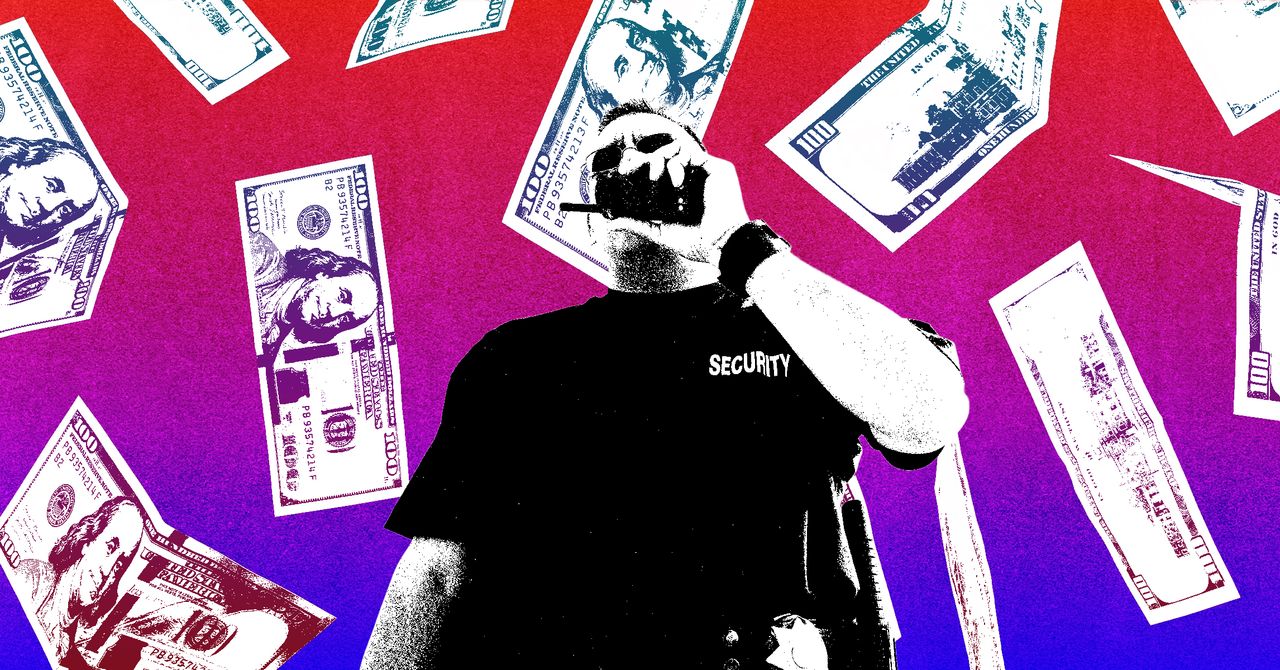
Federal campaign and political action committee spending on security during the 2024 election cycle? Over five times what it was ahead of 2016. That’s no blip.
Who’s Footing the Bill — And Why Now?
The Security Project’s report — out from the nonpartisan Public Service Alliance — pins this on exploding violent threats against public servants and their families. Justin Sherman, the interim VP and report author, nails it: financial pressure on candidates is real, especially smaller ones scraping by.
“No candidate, regardless of party, regardless of where in the country they’re running, should have to weigh serving in public office against threats to them or their families,” Sherman says.
Spot on. But here’s my cynical vet’s take after two decades chasing Valley hype: who’s actually making bank? Security contractors, that’s who. Campaign events? Locked down tighter than Fort Knox. Digital monitoring? Skyrocketed nearly 400% — $900k in 2023-24 versus $184k eight years back. Home alarms, fencing? Doubled to over $300k.
FEC data’s fuzzy — just vague line items like “security services.” Proactive or post-threat panic buy? Hard to say. Smells like reactive chaos.
And state-level? A patchwork mess.
Utah’s Mike McKell — 14 years in the part-time legislature, still practicing law — pushed a bill letting candidates tap campaign cash for office alarms, home fences, business cams. His office got trashed. Colleagues’ tires slashed. Both parties.
“The part about my bill that I hate the most is the part about security—but it’s because we need it, and because it’s been a problem in the state of Utah.”
Hate it? Sure. Necessary? Apparently.
How Bad Are Threats to Politicians and Families?
Minnesota’s Star Tribune dug up ugly numbers: Capitol worker threats jumped from 18 in 2024 to 92 in 2025, 45 already in early 2026. Public Service Alliance: family threats up 3,700% from 2015-2025. Pew 2025 survey? Most Americans, red or blue, see politically motivated violence rising.
Brutal. Remember the Minnesota shooter this summer? Killed Rep. Melissa Hortman and hubby Mark, wounded Sens. Bonnie Westlin and John Hoffman. Survivors now push a bill hiding street addresses from public campaign filings — and freeing up security spend without hitting limits.
The gunman had lawmakers’ names and addresses scribbled down. Stalking made easy by open records.
NCSL’s Helen Brewer says only a few states greenlight campaign funds for security explicitly. Legislators see threats everywhere, both aisles. Their new fund? Cash for lawmakers’ personal setups, doled equally.
But wait — is this sustainable? Campaigns aren’t bottomless. Small fry get squeezed hardest.
Look, I’ve covered tech-security blowups for 20 years. This feels eerily like post-Kennedy ’60s: assassinations spiked, Secret Service budget ballooned 10x in a decade. Back then, feds centralized it. Today? Decentralized dumpster fire — every pol hires their own Goonsquad via Venmo-level disclosures. My bold prediction: without federal campaign security reimbursements, we’ll see quality candidates bail. Midterms 2026? Watch dropouts citing ‘personal safety.’ Security firms? Stockpiling IPO cash.
Can State Laws Stop the Bleeding?
Reforms bubbling. Utah’s done it. Minnesota’s trying. NCSL pushing funds.
But limitations glare. FEC won’t drill into details. States vary wildly — full-time vs. part-time legislatures, red vs. blue priorities.
Brewer: “It’s people seeing it all over the place, which is unfortunate.” Understatement.
Cynical angle: This juices fundraising. “Donate to protect democracy — and my fence!” Emails write themselves. Meanwhile, actual threats fester because social media algorithms reward rage, not reason. Tech giants? Crickets on moderation costs — they’re too busy hawking AI threat detectors to campaigns.
Digital spend’s the tell. $900k on data deletion, online monitoring. Campaigns hiring hackers to scrub their own dirt? Or fend off doxxers? Both, probably.
Home security doubling screams personal peril. Fencing ain’t cheap in suburbia.
Here’s the thing.
We’ve normalized this. Threats as campaign badge. But zoom out: violence up across government tiers. Local clerks swatted. School board parents doxxed. It’s a feedback loop — fear funds more security, which funds more fearmongering ads.
My unique spin? Echoes 1970s Weather Underground era, when pols needed bodyguards just to grocery shop. We tamed that with better policing, de-escalation. Today? Partisan media and X-fueled mobs. Fix? Mandate FEC security categories, cap non-security spend ratios. Force priorities.
Won’t happen. Too much profit in panic.
Is Political Security Spending Out of Control?
Numbers say yes. 5x overall. Digital 4x. Homes 2x. Total? Millions funneled from voter PACs to ADT and CrowdStrike wannabes.
Sherman worries about equity — big donors buoy big campaigns. True. Grassroots challengers? Screwed.
Yet no one’s asking: does more spend mean safer pols? Correlation, not causation. Maybe proactive home cams deter. Or maybe it’s just theater.
State pushes help. NCSL fund’s smart — equal shares sidestep party favoritism.
Still, without cultural detox — less online venom — it’s whack-a-mole.
Bottom line.
Threats are real. Spending’s rational. But the system’s rigged for escalation. Security industry’s laughing to the bank while democracy simmers.
🧬 Related Insights
- Read more: Apple’s Late DarkSword Shield Hits Old iPhones – Skeptics Wonder If It’s Enough
- Read more: UK Power Grids and Factories on the Brink: £5M OT Downtime Nightmares Hit 80% of CNI Firms
Frequently Asked Questions
What caused the 5x increase in politicians’ security spending?
Rising violent threats to candidates, families, and staff — up thousands percent per reports — plus digital doxxing and event lockdowns. FEC data shows event security dominant, but digital and home costs exploding.
Can campaigns use money for home security systems?
Varies by state; only a few explicitly allow it. Reforms like Utah’s and Minnesota’s bills aim to clarify, letting funds cover alarms, fences without spending caps.
Are threats to politicians bipartisan?
Yes — reports and lawmakers confirm attacks hit both parties, from vandalism to shootings, across local to federal levels.