Despite decades of awareness campaigns and billions spent on email security, phishing remains the most successful method attackers use to compromise organizations. According to multiple industry reports, phishing is involved in the initial stages of more than 80 percent of reported security incidents. The reason is simple: phishing exploits human psychology, and that is a vulnerability that cannot be patched.
Understanding the different types of phishing attacks, how they work, and what makes them effective is essential for anyone responsible for organizational security.
How Phishing Works
At its core, phishing is social engineering delivered at scale. An attacker crafts a message designed to manipulate the recipient into taking an action that benefits the attacker. That action might be clicking a malicious link, opening an infected attachment, entering credentials on a fake login page, transferring money to a fraudulent account, or providing sensitive information directly.
Effective phishing messages share common characteristics. They create a sense of urgency or importance. They impersonate a trusted entity such as a colleague, employer, bank, or software vendor. They present a plausible scenario that justifies the requested action. And they are designed to bypass the recipient's normal skepticism by appearing legitimate in both content and presentation.
Types of Phishing Attacks
Email Phishing
Traditional email phishing casts a wide net, sending the same message to thousands or millions of recipients. These campaigns rely on volume rather than precision. A typical example might be a message claiming to be from a major bank, warning of suspicious activity and directing the recipient to a fake login page that harvests credentials.
Modern email phishing has become increasingly sophisticated. Attackers register domains that closely resemble legitimate ones, use stolen branding assets to create pixel-perfect replicas of real emails, and time their campaigns to coincide with events like tax season, holiday shopping, or major news events.
Spear Phishing
Spear phishing targets specific individuals or organizations with customized messages. Attackers research their targets using LinkedIn, company websites, social media, and data from previous breaches to craft highly personalized messages. A spear phishing email might reference a real project the target is working on, use the name of an actual colleague, or relate to a recent company event.
Because of this personalization, spear phishing messages are dramatically more effective than generic campaigns. They are also the preferred method for advanced persistent threat (APT) groups targeting specific organizations.
Whaling
Whaling is spear phishing directed at senior executives and high-value targets. These attacks are meticulously researched and crafted to exploit the unique pressures and communication patterns of executive leadership. A whaling attack might impersonate a board member requesting confidential financial data, a regulator demanding immediate compliance action, or a legal firm referencing a real pending matter.
Business Email Compromise (BEC)
BEC attacks take whaling a step further by compromising or impersonating legitimate business email accounts. Rather than linking to malware or credential harvesting pages, BEC attacks typically request wire transfers, changes to payment details, or diversion of payroll deposits. The FBI's Internet Crime Complaint Center consistently ranks BEC as one of the highest-loss cybercrime categories, with billions of dollars stolen annually.
Smishing and Vishing
Smishing (SMS phishing) uses text messages to deliver phishing content. These attacks exploit the trust people place in text messages and the smaller screen size that makes it harder to verify sender identity and link destinations. Common smishing scenarios include fake package delivery notifications, bank fraud alerts, and tax refund notices.
Vishing (voice phishing) uses phone calls, often enhanced with caller ID spoofing and AI-generated voice synthesis. Attackers may impersonate IT support requesting remote access, bank representatives confirming fraudulent transactions, or government officials demanding payment for alleged violations.
Quishing
QR code phishing, or quishing, has surged as organizations adopted QR codes during and after the pandemic. Attackers place malicious QR codes in emails, documents, or physical locations. When scanned, these codes direct victims to credential harvesting sites or trigger malware downloads. QR codes are particularly effective because most people cannot visually inspect where a QR code leads before scanning it.
Adversary-in-the-Middle (AiTM) Phishing
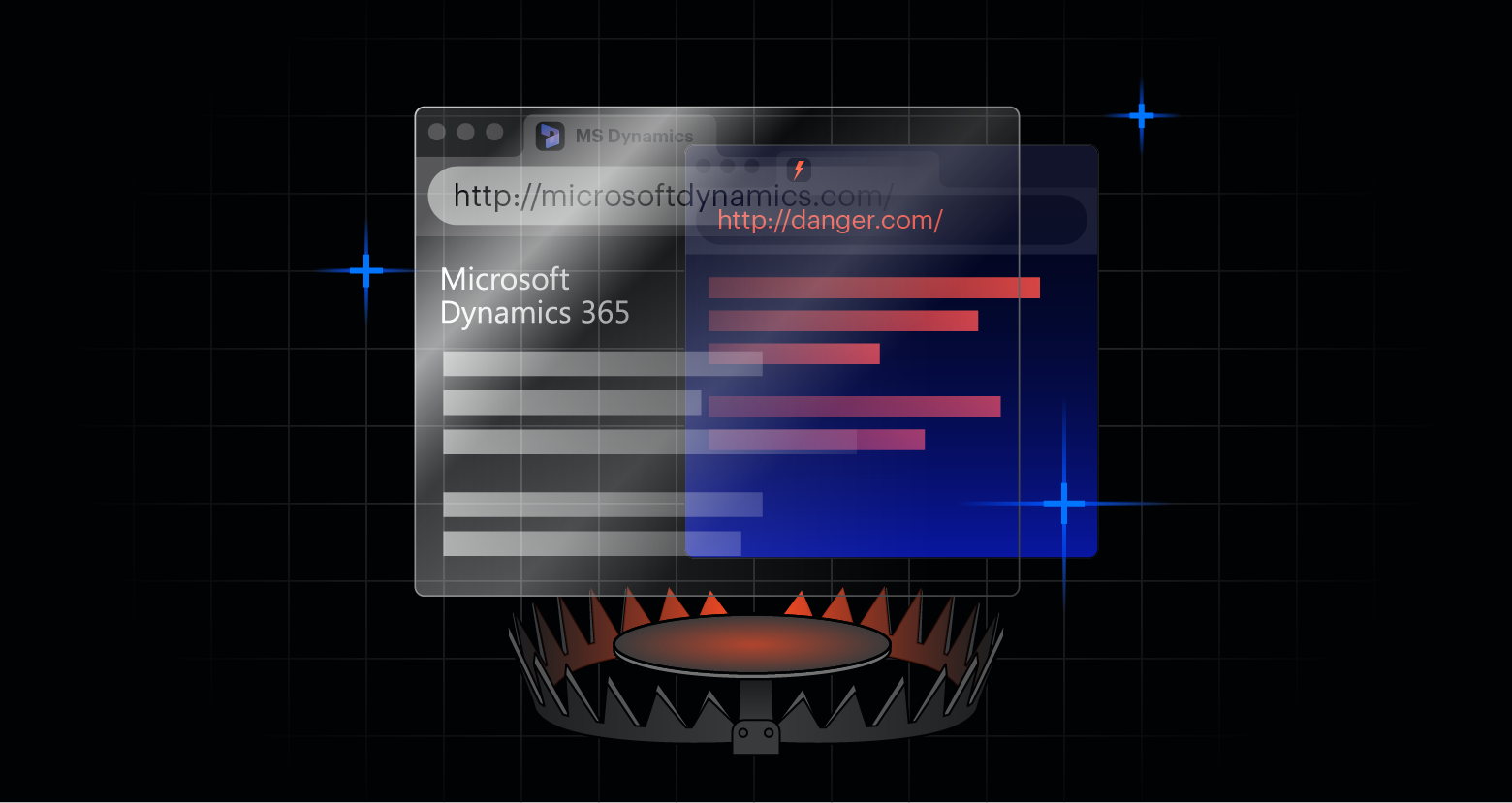
AiTM phishing represents the cutting edge of credential theft. These attacks position a proxy server between the victim and the legitimate service they are trying to access. The proxy captures not only the victim's credentials but also the session tokens generated after successful multi-factor authentication. This allows attackers to bypass MFA protections entirely, making AiTM one of the most dangerous phishing techniques in use today.
Real-World Impact
Phishing attacks have been the starting point for some of the most significant breaches in history. The 2020 SolarWinds supply chain compromise began with targeted phishing. The 2016 Democratic National Committee breach started with spear phishing emails. Countless ransomware incidents begin with a single employee clicking a malicious link or opening an infected attachment.
The financial impact extends beyond direct losses. Organizations that suffer phishing-initiated breaches face regulatory fines, legal costs, reputation damage, business interruption, and the cost of incident response and remediation.
Prevention Strategies
Technical Controls
- Email authentication: Implement SPF, DKIM, and DMARC to prevent attackers from spoofing your domain in emails sent to others and to filter spoofed emails sent to your organization
- Email filtering: Deploy advanced email security solutions that use machine learning, sandboxing, and URL analysis to detect and block phishing messages before they reach users
- Phishing-resistant MFA: Implement FIDO2 security keys or certificate-based authentication that cannot be compromised by AiTM attacks, rather than relying solely on push notifications or SMS codes
- Browser isolation: Use browser isolation technology to render web content in a sandboxed environment, preventing malicious sites from accessing the endpoint
- DNS filtering: Block access to known phishing domains and newly registered domains that are commonly used in phishing campaigns
Human Controls
- Security awareness training: Conduct regular, engaging training that goes beyond annual compliance checkboxes. Use realistic simulated phishing exercises to provide hands-on experience recognizing and reporting phishing attempts
- Reporting culture: Make it easy and consequence-free for employees to report suspected phishing. Every reported phishing email provides intelligence that can protect the rest of the organization
- Verification procedures: Establish out-of-band verification procedures for sensitive requests. Any request to transfer funds, change payment details, or provide credentials should be verified through a separate communication channel
Process Controls
- Financial controls: Require dual authorization for wire transfers and changes to vendor payment information. Verify requests through established channels, not through information provided in the request itself
- Least privilege: Limit user access to only what is needed for their role. This reduces the value of any single compromised account
- Incident response: Include phishing-specific playbooks in your incident response plan that cover immediate containment, credential reset, email recall, and organization-wide notification
The Evolving Threat
Generative AI is already transforming phishing attacks. Attackers can now generate grammatically perfect, contextually appropriate phishing messages in any language at scale. AI-powered tools can create convincing deepfake audio for vishing attacks and generate personalized content based on publicly available information about targets. The bar for creating effective phishing campaigns has never been lower, making robust technical controls and organizational culture more important than ever.