Your next npm install could hand North Korean hackers your browser history, passwords, and crypto wallet.
Real people—freelance devs, startup coders, even enterprise engineers—don’t check every package for malware. They grab logkitx or fluxhttp, thinking it’s legit tooling. Next thing, keystrokes logged, AnyDesk fired up remotely, files zipping off to Pyongyang. It’s not sci-fi. It’s Tuesday.
And it’s spreading. Fast.
Why North Korea’s Poisoning Your Package Managers Now
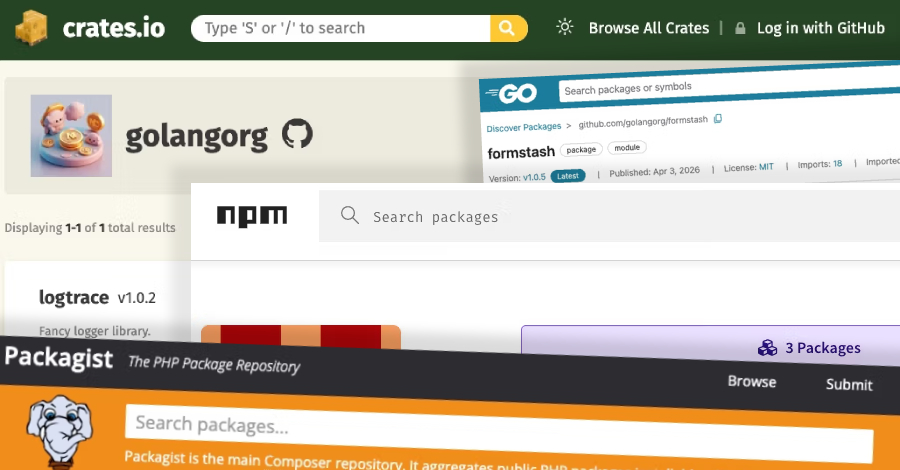
Contagious Interview—that’s the catchy name for this North Korean op—didn’t stop at npm. They’ve hit PyPI, Go modules, Rust crates, even Packagist. 1,700 packages since January 2025. All disguised as boring dev utils: loggers, license checkers, debuggers.
Socket’s Kirill Boychenko nailed it:
“The threat actor’s packages were designed to impersonate legitimate developer tooling […], while quietly functioning as malware loaders, extending Contagious Interview’s established playbook into a coordinated cross-ecosystem supply chain operation.”
These aren’t sloppy scripts. Loaders fetch second-stage payloads—infostealers for browsers, password managers, crypto apps. Windows victims get the deluxe: RATs that run shell commands, kill browsers, drop AnyDesk, encrypt and exfil files. Depth, says Boychenko. Yeah, depth that turns your MacBook into their playground.
But here’s the slick part—no boom on install. Malware hides in legit functions. Like logtrace’s Logger::trace method in Rust. Who suspects a trace call? Nobody. You call it, payload drops. Genius, if you’re a dictator’s hacker.
Is Your Codebase Riddled with This Junk?
Look at the list: npm’s got dev-log-core, logger-base, logkitx. PyPI: logutilkit, apachelicense. Go: fake golangorg repos. Rust: logtrace. Packagist: golangorg/logkit. Sound familiar? Pulled any lately?
They’re patient, these UNC1069 clowns (overlaps with BlueNoroff, Sapphire Sleet). Social engineer via Telegram, LinkedIn—fake Teams or Zoom links. Implant sleeps. You reschedule the “meeting,” keep coding. Weeks later, data flows out.
SEAL blocked 164 fake domains mimicking Microsoft Teams. Microsoft chimes in: DPRK’s evolving, but intent’s the same—cash grabs.
Developers, you’re the prime target. Espionage and financial gain, sure. But it’s your side-hustle crypto, your freelance browser creds they’re after. One compromised machine in a CI/CD pipeline? Whole org down.
My hot take—and it’s not in Socket’s report—this reeks of 2014 Sony Pictures 2.0, but democratized. Lazarus didn’t just hit Hollywood; they’re franchising supply chain hits to fund nukes. Bold prediction: by 2026, 10% of breaches trace to tainted OSS packages. Devs won’t notice till wallets empty.
Corporate hype? Microsoft’s statement drips with it—“ongoing evolution.” Please. It’s the same steal-and-sneak, repackaged for Rust hipsters.
How These Sneaks Bypass Your Defenses
No install triggers. No obvious exploits. Just… normal code paths. dev-log-core looks like a Pino logger fork. You npm i it for pretty console output. Trace fires, payload phones home.
license-utils-kit? Windows nightmare. Full implant: keylogs, uploads, remote shell. fluxhttp on PyPI? HTTP lib that steals instead of serves.
Cross-ecosystem? That’s the killer. npm devs grab PyPI deps sometimes. Go and Rust for systems folks. One org uses all—boom, unified breach.
And the playbook’s old-school North Korea: dormant implants. SEAL: “Operators deliberately do not act immediately… maximizes value before incident response.”
Smart. Patient. Terrifying.
Unique angle: this isn’t random. Contagious Interview’s tying into UNC1069’s Zoom lures. Fake meetings lead to packages? No—packages seed environments for bigger hauls. Remember Axios poisoning? Same crew took maintainer accounts via social eng. Now scaled to thousands.
Devs, wake up. npm’s 2 million packages. PyPI’s exploding. Verification’s a joke—stars and downloads lie.
What Can You Actually Do? (Without Quitting Coding)
Audit deps. Tools like Socket, Sigstore. But honestly? Good luck with 1,700 poisons.
Orgs: SBOMs, now. Reproducible builds. But most won’t.
Humor break: if you’re running unvetted loggers from randos, congrats—you’re the new supply chain.
Microsoft warns of fake U.S. bank domains. Yeah, because NK needs dollars for Hwasong rockets.
This campaign’s persistent because OSS is. Free code, free rides for spies.
Prediction: regulators incoming. EU’s Cyber Resilience Act? This’ll turbo it. Force sigs on all packages? Devs riot, but wallets vote.
🧬 Related Insights
- Read more: Security’s Wild Week: Phone Rentals, Stealer Swarms, and Meta’s Reckoning
- Read more: Germany Names REvil and GandCrab Boss: Meet Daniil Shchukin
Frequently Asked Questions
What packages should I avoid from North Korean hackers?
Skip dev-log-core, logger-base, logkitx (npm); logutilkit, apachelicense, fluxhttp (PyPI); github.com/golangorg/formstash, mit-license-pkg (Go); logtrace (Rust); golangorg/logkit (Packagist). Full list in Socket’s report.
How do Contagious Interview malware loaders work?
They hide in normal functions like logging traces, fetch payloads for infostealing, RATs. No install alert—activates on use.
Can North Korean supply chain attacks hit my Mac or Linux?
Yes—cross-platform payloads target browsers, wallets everywhere. Windows gets extras like AnyDesk drops.