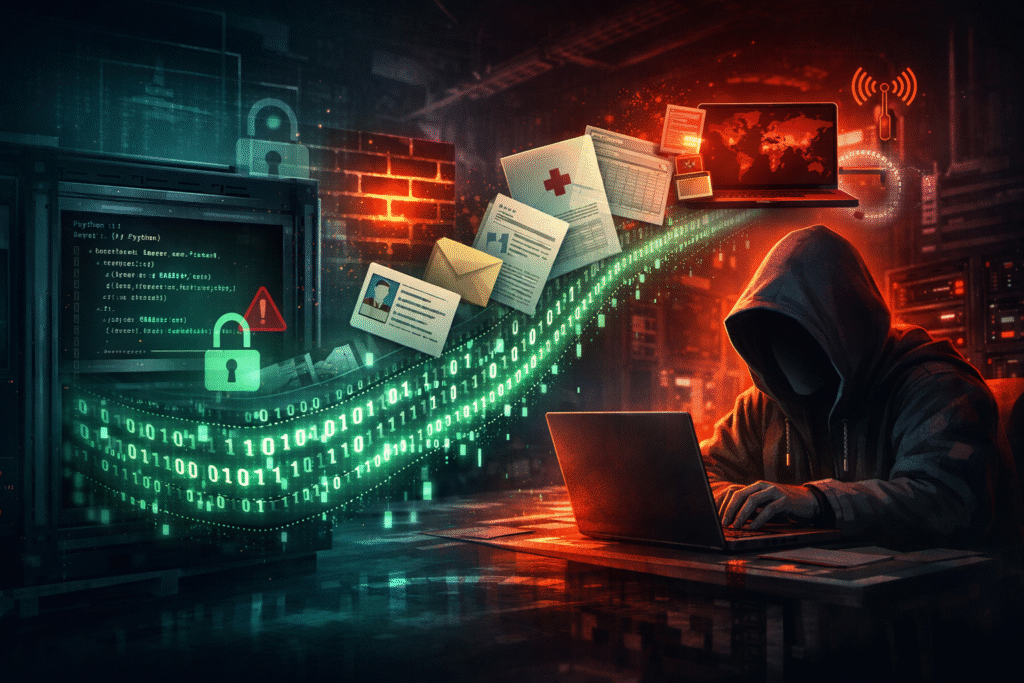
Phishing stands as one of the most pervasive and effective cyberattack vectors, leveraging human psychology rather than complex technical exploits to compromise individuals and organizations. At its core, phishing is a social engineering tactic. Attackers masquerade as legitimate and trustworthy sources – such as banks, well-known companies, government agencies, or even colleagues – to trick unsuspecting victims into performing an action that benefits the attacker. This action typically involves revealing sensitive information like usernames, passwords, credit card numbers, social security numbers, or financial details, or it could involve downloading and executing malware.
The success of phishing attacks hinges on creating a sense of urgency, fear, or opportunity. Attackers exploit common human emotions and tendencies to bypass technical security controls. A well-crafted phishing message can appear incredibly convincing, often mimicking the branding, tone, and style of the impersonated entity with remarkable accuracy. This makes it challenging for even seasoned technology professionals to spot a fraudulent communication at first glance.
The Mechanics of a Phishing Attack
Phishing attacks typically follow a multi-stage process. The initial stage involves reconnaissance, where attackers gather information about their target. This could be broad, such as identifying a company’s typical email formats or popular services, or highly specific, like researching an executive's recent travel plans or a customer's recent purchase history for a more personalized attack (spear-phishing).
Following reconnaissance, the attacker crafts the bait – the phishing message itself. This message is most commonly delivered via email, though SMS messages (smishing) and voice calls (vishing) are also prevalent. The message usually contains a compelling narrative designed to elicit a prompt response. Common themes include security alerts about account compromise, notifications of unauthorized login attempts, urgent requests for payment, or enticing offers for free products or services. The message will typically include a call to action, such as clicking a link, opening an attachment, or replying with requested information.
The link within the phishing message often directs the victim to a fake website that closely resembles the legitimate site they intended to visit. This replica site is designed to capture login credentials or personal data. When the victim enters their information, it is sent directly to the attacker instead of the intended service. Alternatively, attachments may contain malware, such as ransomware, keyloggers, or spyware. Upon opening the attachment, the malware silently installs itself on the victim's device, allowing the attacker to gain control, steal data, or disrupt operations.
The final stage is the exploitation. Once the attacker has obtained credentials or installed malware, they can proceed to steal money, commit identity theft, gain access to corporate networks, or launch further attacks. The sophistication of phishing varies greatly, from mass, generic emails sent to millions of users to highly targeted, personalized campaigns aimed at specific individuals or organizations.
Why Phishing Matters in Cybersecurity
The significance of phishing in the cybersecurity landscape cannot be overstated. It serves as a primary entry point for a vast array of other cyber threats. A compromised credential obtained through phishing can grant attackers access to internal systems, enabling them to move laterally within a network, escalate privileges, and exfiltrate sensitive data. This can lead to devastating consequences for individuals and businesses alike, including financial losses, reputational damage, regulatory penalties, and prolonged operational disruptions.
For individuals, phishing can result in identity theft, drained bank accounts, and significant personal distress. For organizations, a successful phishing attack can compromise customer data, intellectual property, and critical infrastructure, leading to breaches that cost millions to remediate and can severely damage trust with stakeholders.
The adaptive nature of phishing is also a major concern. Attackers constantly refine their techniques, using new social engineering tactics and exploiting emerging technologies. They learn from past attacks and adapt their methods to circumvent evolving security measures. This continuous evolution necessitates a proactive and multi-layered defense strategy that goes beyond just technical solutions. It requires robust user education, strong authentication mechanisms, and vigilant monitoring to effectively combat the persistent threat of phishing.
Real-world applications and examples of phishing are widespread. One common scenario involves an email appearing to be from a well-known e-commerce site, informing the recipient that their account has been suspended due to suspicious activity and asking them to click a link to verify their details. Another involves an email from a supposed IT department requesting that employees reset their passwords by clicking a provided link. Phishing attacks have also been used to distribute ransomware, where an urgent invoice or shipping notification attachment, when opened, encrypts a victim's files. The constant stream of new tactics and the human element exploited make phishing a perennial challenge in cybersecurity, requiring ongoing vigilance and education.