Supply chain fallout. It’s happened again.
Grafana Labs, a name synonymous with powerful open-source observability, is the latest casualty in a widening supply chain attack campaign. The company revealed that its own codebase was accessed by unauthorized actors, with the breach traced back to malicious modifications within popular developer tools from TanStack. This isn’t just a remote incident; it’s a deep dive into how a single point of compromise can ripple outwards, impacting even the most security-conscious organizations.
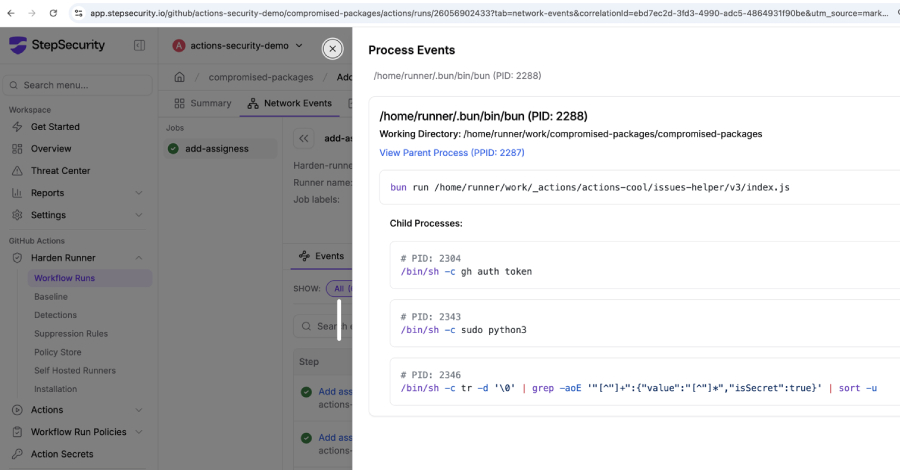
The attacker, identified as part of the ‘Mini Shai-Hulud’ campaign, specifically targeted numerous TanStack npm packages. The tactic? Injecting credential-stealing malware designed to compromise Continuous Integration and Continuous Deployment (CI/CD) environments, including critical GitHub Actions workflows. The insidious part here is the trust inherent in these pipelines. When a compromised package is signed and presented as legitimate, it’s automatically ingested, essentially opening the front door for attackers. Grafana Labs’ own explanation lays bare the chain of events: a malicious package was consumed by their CI/CD environment, an infostealer executed, and GitHub workflow tokens were exfiltrated.
“We performed analysis and quickly rotated a significant number of GitHub workflow tokens, but a missed token led to the attackers gaining access to our GitHub repositories.”
That single missed token is the story’s dramatic hinge. Despite rapid mitigation efforts and token rotation, a subsequent review confirmed that a specific GitHub workflow—initially believed to be clean—had indeed been compromised. This allowed the attackers to gain deeper access to Grafana’s GitHub repositories. Beyond just the codebase, ‘TeamPCP’, the threat actor group behind this, also managed to pilfer “additional internal operational information and other details,” including business contact names and email addresses. Importantly, Grafana stressed that no customer production systems or data processed through their cloud platform were affected, a critical distinction that likely factored into their measured response.
The Architecture of the Attack: Beyond the Code
What’s particularly illuminating about the Mini Shai-Hulud campaign is its sophisticated targeting of CI/CD pipelines. This isn’t just about finding a vulnerability in a finished application; it’s about compromising the very infrastructure that builds those applications. TanStack, a widely used set of libraries for building UI components, found itself at the epicenter. The attackers didn’t just sneak a backdoor into one package; they published a staggering 84 malicious versions across 42 @tanstack/* packages on May 11th.
The scope of the compromised tokens is broad, extending beyond just GitHub. We’re talking about GitLab, CircleCI, cloud platforms like AWS, Google Cloud Platform, and Azure, Kubernetes, and even secrets management tools like HashiCorp Vault. This multi-pronged approach suggests a highly organized operation aiming to maximize lateral movement and data exfiltration across a developer’s entire digital estate. Furthermore, the campaign’s reach extended beyond TanStack, affecting other popular projects like OpenSearch, and even multiple packages on PyPI and within the @squawk ecosystem. This signifies a coordinated effort to poison multiple trusted software supply chains simultaneously.
The brilliance, and terror, of this campaign lies in its ability to bypass standard security checks. When a malicious package is cryptographically signed and integrated into a CI/CD pipeline that trusts the signing process, it’s exceedingly difficult for downstream developers to detect. This is where the architectural shift becomes apparent: attackers aren’t just finding bugs; they’re subverting the fundamental trust mechanisms of modern software development. It’s akin to a counterfeiter forging not just the currency, but the very minting machines.
Why Does This Matter for Developers?
This incident should be a flashing neon sign for every developer, every DevOps team, and every security professional. The notion of a perfectly isolated, secure development environment is increasingly a relic of the past. The open-source ecosystem, while a marvel of collaborative innovation, is also a complex web of dependencies where a single compromised node can compromise the entire network. Grafana Labs, with its strong security practices, still fell victim. This isn’t a failure of individual vigilance; it’s a systemic risk.
The implications are clear: a multi-layered defense is no longer a suggestion; it’s a necessity. This includes stricter scrutiny of dependencies, even those from reputable sources. It means continuous auditing of CI/CD pipelines, granular access controls for tokens and secrets, and the implementation of advanced threat detection systems that can spot anomalies in workflow behavior, not just vulnerabilities in code. The adage of ‘trust but verify’ has never been more relevant, and ‘verify’ now needs to mean deep, continuous validation.
The ‘Mini Shai-Hulud’ campaign represents a significant escalation in supply chain attacks. By targeting the build process itself, attackers are moving from finding specific flaws to compromising the fundamental mechanisms of software creation. For organizations reliant on open-source components, this incident is a potent reminder that security must extend beyond the perimeter, deep into the development lifecycle. It’s a wake-up call to re-evaluate trust and implement more rigorous, proactive defenses.
🧬 Related Insights
- Read more: 27 Seconds to Breach: CrowdStrike’s Charlotte AI Hype Check
- Read more: Nelnet’s Student Loan Breach: 2.5 Million SSNs Loose in Forgiveness Feeding Frenzy
Frequently Asked Questions
What is TanStack? TanStack is a suite of popular open-source JavaScript libraries used for building user interfaces, particularly known for its flexibility and extensibility in areas like data grids and routing.
How did attackers gain access to Grafana’s codebase? Attackers use a compromised TanStack package. This package contained malware that stole GitHub workflow tokens from Grafana’s CI/CD environment. A missed token then allowed the attackers to access Grafana’s GitHub repositories.
Will this affect Grafana users? Grafana Labs stated that there is no indication that customer production systems or operations have been compromised. The breach primarily impacted Grafana’s internal code repositories and operational information.