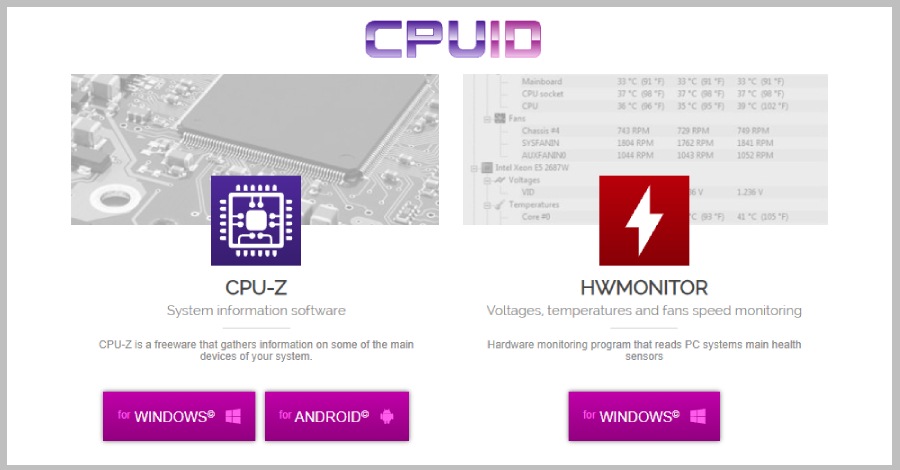
Kaspersky clocked more than 150 victims from this breach. Stunning, right? One day of chaos on CPUID.com, and suddenly hardware nerds worldwide are serving up their systems on a platter.
Look, if you’re the type who fires up CPU-Z or HWMonitor to geek out over clock speeds — you know, that electric thrill of seeing your CPU hum at 5GHz — this hits different. Attackers slipped in like ghosts, from April 9 at 15:00 UTC to April 10 around 10:00. Poof. Legit download links flipped to malicious mirrors: cahayailmukreatif.web[.]id, pub-45c2577dbd174292a02137c18e7b1b5a.r2[.]dev, transitopalermo[.]com, vatrobran[.]hr. ZIPs and standalone installers, all laced with a signed legit exe plus CRYPTBASE.dll — classic DLL side-loading, that sneaky bastard technique where Windows loads the bad guy first.
CPUID owned it on X: a “secondary feature (basically a side API)” got compromised, flashing malicious links randomly without touching their signed originals. Smart move by the attackers? Nah. They recycled the exact STX RAT chain from a FileZilla scam Malwarebytes flagged last month. Same C2 domains, same playbook. Kaspersky nailed it:
“The gravest mistake attackers made was to reuse the same infection chain involving STX RAT, and the same domain names for C2 communication, from the previous attack related to fake FileZilla installers.”
Sloppy opsec, like a bank robber returning to the same vault with the same crowbar. Here’s my hot take — and it’s one Kaspersky glosses over: this reeks of script-kiddie opportunism, not nation-state polish. Picture the Wild West of early internet malware, when Anna Kournikova worm spread because some teen copy-pasted code without scrubbing metadata. We’re seeing that amateur hour vibe in 2024, but on trusted dev sites. Bold prediction? These low-rent crews are the canaries in the coal mine — as AI amps up code gen for malware, we’ll drown in hyper-personalized trojans mimicking legit tools. CPUID’s breach isn’t just a blip; it’s the trailer for the shitshow.
Why Did CPUID Get Hacked So Easily?
And here’s the thing — it’s not rocket science. A “side API” folds under pressure? That’s like guarding Fort Knox with a bike lock on the back door. Threat actors didn’t need zero-days; they poked the soft underbelly. The DLL drops, runs anti-sandbox tricks (virtual machine checks, debugger hunts), phones home, then unleashes STX RAT. eSentire breaks it down: this RAT’s a Swiss Army knife — HVNC for hidden VNC sessions, infostealing galore, in-memory exe/dll/PowerShell/shellcode execution, even reverse proxies for tunneling out your data.
Victims? Mostly lone wolves in Brazil, Russia, China — retail outfits, manufacturers, consultants, telcos, even farmers. Organizations snagged too. But 150 feels low; how many scanned silently?
STX RAT ain’t new. It echoes those clunky RATs from the 2010s, but souped up — remote control, post-exploitation wizardry. Yet attackers tripped over their own feet reusing C2 infra. Kaspersky spotted it day zero because, duh, low opsec screams ‘amateur.’
Is Your PC Safe After Downloading CPU-Z?
Short answer: scan now. If you grabbed CPU-Z or HWMonitor in that 24-hour window, you’re potentially rooted. STX RAT lurks, sipping keystrokes, screenshots, creds. But zoom out — this is the peril of the tool ecosystem. Devs like CPUID build freeware empires on downloads; one breach, and trust evaporates. It’s the software world’s Theranos moment: shiny diagnostics masking supply chain fragility.
Remember SolarWinds? Nation-states puppeteering updates. This? Ragtag hackers aping the big boys on a popular site. The parallel? Both exploit the human itch to download familiar tools without a second thought. My unique insight: we’re one AI-powered malware factory away from daily breaches like this becoming the norm. Imagine LLMs churning out undetectable DLLs tailored to your exact HWMonitor version. Thrilling? Terrifying. That’s the platform shift — AI doesn’t just build apps; it builds arsenals.
CPUID bounced back quick, which is gold. No prolonged outage. But users? Firewalls up, EDR on, and ditch unsigned exes. Retail in Brazil got hammered — think point-of-sale systems now proxying for some hacker’s VPN.
The wonder here? Amid the doom, tech’s resilience shines. Tools like these make us feel like gods, peering into silicon souls. Attackers can’t kill that spark — but they can steal it. Stay vigilant, futurists. The hardware monitoring wars just got weirder.
What Makes STX RAT So Sneaky?
Energy check: this malware’s no firework, but a slow fuse. Anti-analysis first — it sniffs sandboxes, bails if cornered. Then C2 callback, payload cascade. Broad commands: desktop fiddling, tunneling, execution. Like a digital poltergeist possessing your rig remotely.
Reused from FileZilla fakes — attackers banking on laziness. Won’t fly long-term as defenders wise up.
🧬 Related Insights
- Read more: Bitcoin Depot’s $3.6M Bitcoin Heist: Hackers Strike Corporate Vaults Again
- Read more: Bitter’s Hack-for-Hire Blitz Hits MENA Journalists, Echoing Indian Spy Reach
Frequently Asked Questions
What is STX RAT malware?
STX RAT is a remote access trojan with infostealing, HVNC, and post-exploitation tricks — think full remote control without you noticing.
Did CPUID breach affect Windows only?
Yes, focused on Windows exes via DLL side-loading in CPU-Z and HWMonitor installers.
How to check if I got STX RAT from CPU-Z?
Run full AV scans (Kaspersky, Malwarebytes), check for CRYPTBASE.dll, monitor unusual network to those C2 domains.