Did you know that a staggering 80% of ransomware-as-a-service (RaaS) groups are now weaponizing AI and automation? That’s not just a statistic; it’s a flashing neon sign screaming that the ground beneath our cybersecurity feet is shifting, and fast. We’re not just talking about smarter hackers anymore; we’re witnessing a fundamental platform shift, akin to the dawn of the internet itself, but this time, it’s fueled by algorithms designed to dismantle us.
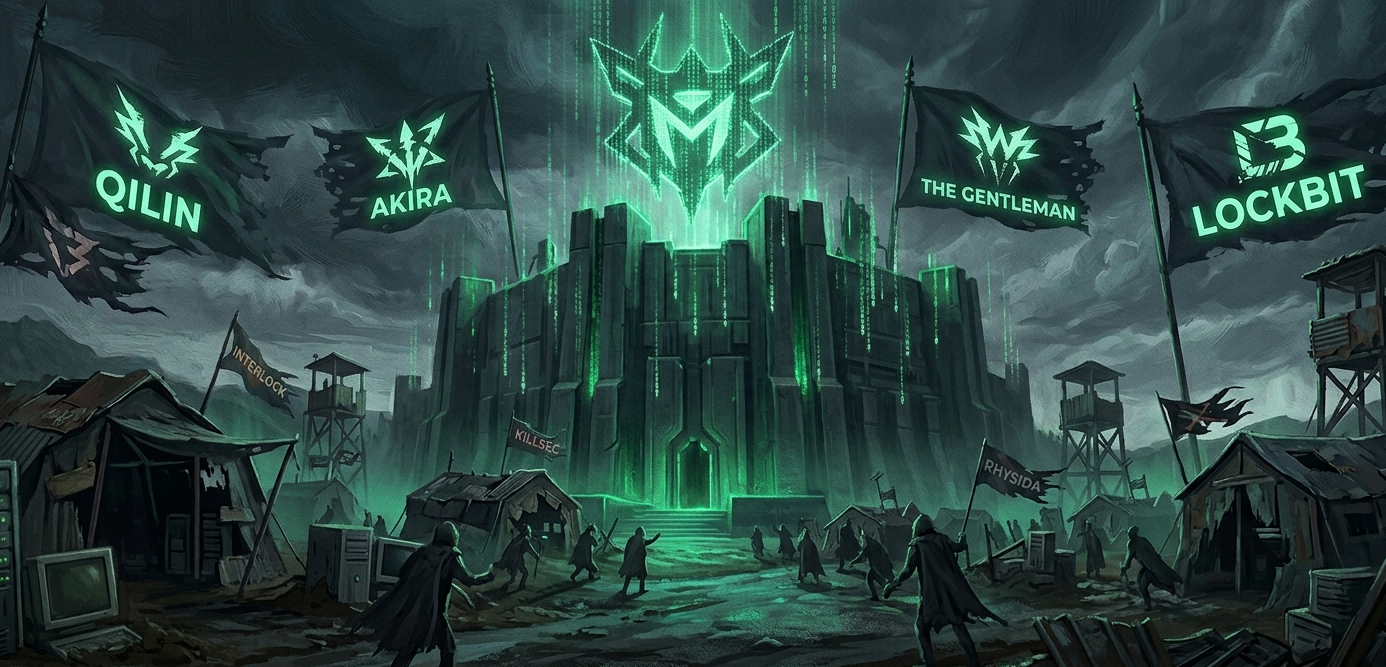
Think of it like this: for years, cybersecurity was a castle under siege. Defenders had moat inspection schedules, wall reinforcement drills that took days, and guard patrols measured in hours. Attackers, meanwhile, were like a swarm of genetically engineered ants, with AI giving them coordinated attack plans and the ability to chew through defenses in minutes. The traditional castle defenses just aren’t built for that.
This isn’t about attackers inventing new ways to be bad; it’s about them supercharging what they already do. That terrifyingly short window between an attacker first stepping foot inside your digital walls and them spreading like wildfire throughout your systems – that’s called ‘breakout time.’ And it’s shrinking to an almost unfathomable degree. We’re talking about a half-hour warning, which, for defenders accustomed to working in days or even weeks, is like trying to stop a tsunami with a teacup.
Why Is This AI-Powered Speed Bump So Dangerous?
It boils down to a few grim realities. First, credentials. Attackers are getting frighteningly good at snatching your employees’ logins, whether through clever phishing, social engineering vishing (think fake IT helpdesk calls), or just brute-forcing weak, recycled passwords. When they use legitimate credentials, they can waltz right in, looking like any other user, bypassing those shiny alarm systems we thought were so smart.
Then there are the zero-days – those never-before-seen vulnerabilities in software like edge devices. Attackers can exploit these to gain initial access, and crucially, stay hidden from the very tools designed to catch them. It’s like finding a secret backdoor that your security company’s blueprints don’t even show.
Reconnaissance, the digital equivalent of casing a joint, is also on hyperdrive thanks to AI. Attackers are scouring the web, not just for your company’s public-facing info, but for organizational charts, internal processes, and IT environments. They’re building hyper-personalized attack plans. They’re essentially using AI to become your insider threat, without ever having to hire anyone.
And once inside, the automation continues. AI-powered scripts are harvesting credentials, using legitimate system tools (the ‘living off the land’ technique – a sneaky way to blend in), and even generating malware on the fly. It’s a self-sustaining, AI-driven attack machine.
Finally, they’re exploiting the cracks. In big organizations, teams can operate in silos, each with their own view of security. What looks normal to one team might be a red flag to another, but without a unified view, those red flags just get lost in the noise. Attackers thrive in this confusion.
The average time to break out laterally is now around 30 minutes – in the region of 29% faster than a year previously – although some observers have seen it happen in less than a minute after initial access.
Seriously, less than a minute. The speed at which data can be exfiltrated is also plummeting. We’re talking about six minutes for a full data grab in some recorded instances last year. Six minutes! That’s less time than it takes to make a decent cup of coffee.
Fighting Fire With AI-Powered Fire?
So, what do you do when the attackers have a rocket-powered skateboard and you’re still on a tricycle? You fight fire with fire, of course. Human-powered responses are simply too slow in this new era. We need to limit social engineering, sharpen our detection of suspicious behavior, and drastically accelerate our response times.
This is where AI-powered Extended Detection and Response (XDR) and Managed Detection and Response (MDR) solutions come into play. They can automatically flag suspicious activities, use context to reduce those annoying false alarms, and even initiate remediation steps. The smarter ones can cluster alerts, freeing up your beleaguered Security Operations Center (SOC) teams to focus on the truly high-value work – like proactively hunting for threats before they even materialize.
What we desperately need is a single, unified provider that sees everything: endpoints, networks, cloud environments, you name it. This kind of holistic visibility is what shines a light on those dangerous gaps between siloed tools. It’s about seeing the whole attack path, not just individual steps. And crucially, these tools need to play nice with your existing SIEM and SOAR setups.
And then there’s threat intelligence and threat hunting. These aren’t just buzzwords anymore; they’re essential survival tools. Combining them, especially with AI assistance, helps teams focus on what matters: how attackers are targeting them and where they’re likely to strike next. The dream scenario is AI agents taking on more of these tasks autonomously, making our response times virtually instantaneous.
Regaining the Initiative
Beyond just buying new AI tools, we need a cultural shift. Continuous monitoring across all your digital environments isn’t just good practice; it’s non-negotiable. Automating responses – like terminating suspicious sessions, forcing password resets, or isolating compromised hosts – needs to become second nature.
This isn’t just about defense; it’s about offense. It’s about shifting from a reactive stance to a proactive one, armed with the same AI-driven speed and intelligence that our adversaries possess. The future of cybersecurity isn’t just about having better tools; it’s about fundamentally rethinking how we defend ourselves in a world where the attackers have been given a cheat code.
This AI-fueled acceleration isn’t a distant sci-fi threat; it’s happening now. And if we don’t adapt with equal ferocity and intelligence, our digital castles won’t just be under siege; they’ll be crumbling before we even realize the battle has begun.