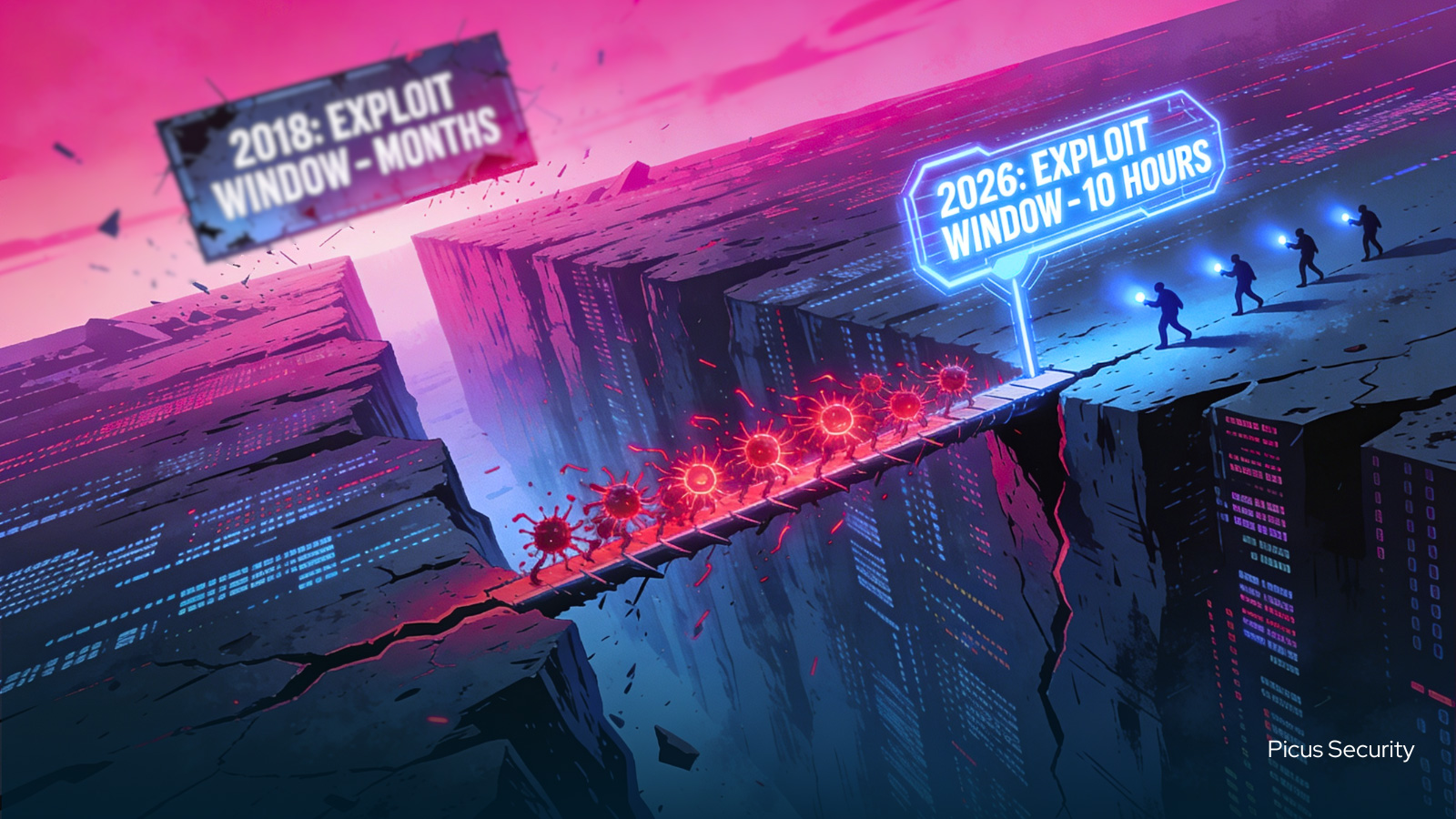
What if your best bug hunters were machines that never sleep—and they were breaking the bounty business?
HackerOne’s doing the unthinkable. Pausing bug bounties. Yeah, that HackerOne—the platform that’s paid out millions to white-hat wizards sniffing out software flaws. But here’s the kicker: AI-led remediation crisis has turned their golden goose into a fire hose of unfixed vulnerabilities.
Look. Discovery used to be the hard part. Humans poking code, sweating over edge cases. Now? Automated tools chew through open source repos like candy. They spit out bugs by the truckload. Remediation? That’s on the devs, who aren’t getting a dime from bounties to patch ‘em.
Discovery used to be the bottleneck for open source bugs, but with automated discovery, remediation’s the bottleneck, which bounties don’t fund.
That’s the raw truth from the front lines. HackerOne’s not spinning it—they’re hitting pause to rethink the whole game.
Why Is HackerOne Hitting Pause on Bug Bounties?
Short answer: overload. Picture this—a deluge of AI-flagged bugs pouring into HackerOne’s queues. Open source projects drowning. Triage teams buried. And the bounties? They reward finders, not fixers. It’s like paying firefighters to spot blazes but not hand them hoses.
But wait. Isn’t this progress? AI democratizing security, right? Wrong. It’s a remediation crisis because fixes require human brains—nuanced code surgery, testing across ecosystems, upstream coordination. Machines excel at spotting; they suck at sewing.
HackerOne’s move screams reality check. They’ve suspended new submissions for certain programs. Not forever— they’re prototyping fixes, like funding remediation pools. Smart? Maybe. But it exposes how bug bounties were never built for the AI era.
And here’s my unique jab: this echoes the Heartbleed hangover in 2014. Bugs everywhere, patches lagging, chaos. Back then, no AI; just human sloth. Today? Machines amplify the mess tenfold. Predict this: without bounty evolution, we’ll see “AIbleed”—mega-vuln clusters from unpatched AI-found flaws.
Punchy, isn’t it?
The corporate spin? HackerOne’s calling it a “strategic pause.” Please. It’s an admission: the model’s cracked. They’re eyeing AI-assisted triage, shared fix funds. Noble. But skeptics (me) wonder if it’s just buying time while VCs salivate over disruption.
Can Bug Bounties Survive the AI Bug-Hunting Onslaught?
Doubt it in their current form. Bounties thrived on scarcity—rare gems for elite hunters. AI flips that: abundance, commoditized flaws. Platforms like GitHub’s CodeQL, or newcomers like Endor Labs, are already automating scans. HackerOne’s pause? First domino.
So, what’s next? Hybrid models, maybe. Pay per verified fix, not just report. Or bounties tiered by severity-plus-remediation effort. Open source foundations stepping up with fix grants—Linux Foundation’s already tinkering.
But let’s gut-check the hype. AI tools promise precision, deliver noise. False positives galore, drowning real threats. Devs ignore ‘em. Vicious cycle. HackerOne’s intel shows 80% of bounty reports now AI-sourced. Unfixable volume.
Dry humor alert: it’s like inviting wolves to guard the sheep, then wondering why the pasture’s empty.
Worse, this hits open source hardest. No corp budgets for patches. Community-driven, sure—but burnout’s real. Remember Log4Shell? Two weeks to widespread fixes. AI era? Days to discovery, months to resolution.
HackerOne’s not alone. Intigriti, YesWeHack—whispers of strain. The industry’s pivot point.
Now, the ripple effects. Enterprises relying on bounties for third-party risk? Screwed. They’ll bolt to private programs or AI-only scanners. Open source maintainers? Quitting in droves. Security theater at scale.
My bold prediction: by 2026, bug bounties morph into “remediation rewards.” Platforms like HackerOne lead, or get lapped by AI-native rivals. Ignore at peril.
Critique time. HackerOne’s PR? Polished pause, not panic. They tout “innovation ahead.” Cute. But transparency lacks— which programs paused? How many bugs backlog? Smells like controlled narrative.
Devs, listen up. Tool up now. Prioritize AI scans in CI/CD. Fund fixes via sponsorships. Or watch your repos rot.
Industry watchers nod. “Bounties were discovery subsidies,” says one anon source. “Remediation’s the real moat.”
And the AI overlords? Laughing. They’ve shifted bottlenecks, exposed frailties. Welcome to machine-speed security—human-paced fixes need not apply.
But. Silver lining? Forces evolution. Smarter tools, better incentives. HackerOne could emerge stronger, if they don’t fumble.
Skeptical? Me too. History’s littered with paused promises.
The Bigger Picture: Open Source’s AI Reckoning
This isn’t just bounties. It’s open source’s gut punch. 90% of cloud infra, per Sonatype. AI bugs? Existential.
Parallel: Y2K. Billions fixed pre-millennium. No AI then. Today? Proactive scans mandatory, but reactive bounties obsolete.
Call to arms. Fund fixers. AI for triage, humans for heals. Or bounties become bug museums.
HackerOne’s pause? Wake-up klaxon. Heed it.
🧬 Related Insights
- Read more: BlueHammer Zero-Day Exposes Microsoft’s Patch Paralysis
- Read more: Cisco IMC’s Password Change Flaw Hands Attackers the Keys to Your Servers
Frequently Asked Questions
What caused HackerOne to pause bug bounties?
AI tools flooded them with open source bugs faster than teams could handle. Bounties pay finders, not fixers—remediation bottleneck.
Will HackerOne resume bug bounties soon?
They’re prototyping changes like fix-funding. No timeline, but expect evolution, not extinction.
How does AI change bug hunting?
Shifts from discovery scarcity to fix abundance. Platforms must adapt or die.