Is your browser actively trying to get you hacked?
Because that’s the vibe I’m getting after scanning last week’s security buffet. We’re talking about critical bugs in Chrome that could let attackers run code right on your machine. You know, the kind of thing that makes you stare blankly at your screen and wonder if simply disconnecting from the internet is a viable career path. And as if that wasn’t enough, Microsoft Defender, the very software supposed to be your digital bodyguard, is also being exploited in the wild. Fun times.
When the Shield Itself is a Target
Seriously, the fact that Microsoft Defender vulnerabilities are being actively exploited? That’s not just a bug; that’s a foundational problem. We’re paying for this stuff, or at least Microsoft wants us to. And it’s being poked and prodded by bad actors right now. This isn’t some far-off theoretical. This is happening. The question I keep asking myself is, who is actually making money here, and who’s just inheriting the digital shrapnel?
It’s a familiar story, right? The software meant to protect you becomes the weak link. Remember the good old days when antivirus was just a slightly annoying popup? Now it’s a gaping maw for state-sponsored actors or whoever else has the inclination and the know-how. And while Microsoft is busy patching Defender, users are left wondering if they should just go back to running everything on a Commodore 64.
The AI Animal Farm
Then there’s the AI experiment. Researchers let AI agents loose in a virtual town, and apparently, it all unraveled. I’m picturing tiny digital tumbleweeds and AI avatars arguing about existentialism after one of them steals another’s virtual bread. The report vaguely mentions “it all unravel.” What does that even mean? Did they start a digital AI revolution? Did they all just decide to take a permanent digital siesta? The vagueness here is deafening, and frankly, a little concerning when we’re talking about systems that are supposedly becoming smarter than us.
And this AI obsession bleeds into other areas, too. YouTube wants your face to fight deepfakes. So, to combat fake videos, you have to submit your actual, real-life face? It’s like saying the best way to stop a burglar is to leave your front door open so you can personally inspect everyone who walks in. Makes perfect sense, if your goal is maximum surveillance and minimal common sense.
Speaking of AI distortions, it’s apparently distorting the Holocaust. That’s not just a misstep; that’s actively offensive and deeply problematic. It underscores the danger of these powerful tools when left unchecked, or worse, when used irresponsibly.
Privacy Theater and Real Breaches
Meanwhile, the usual suspects are facing scrutiny. TikTok, YouTube, and Roblox are all under the microscope for child safety. The proposed solution? Age gates. Because clearly, a 10-year-old has never lied about their birthday to get online. This is the digital equivalent of putting a flimsy ‘Beware of Dog’ sign on a house with no fence. It’s performative security, designed to look like something’s being done without actually addressing the root causes.
And then, the classic. A major healthcare breach exposing biometrics, diagnoses, and bank details. This isn’t some abstract concept; this is deeply personal information that, once out, is out forever. Followed swiftly by a Facebook scam promising cheap Aldi meat boxes and, surprise, stealing payment info. It’s almost quaint in its predictability. The scams are always the same, just the packaging changes.
Firefox, bless its privacy-conscious heart, is packing big upgrades into a small update. Good for them. Anything to avoid the fate of the browsers that seem more interested in collecting your data than protecting it. And Microsoft, in a move that might actually be sensible, is changing Edge’s plaintext password behavior. About time. I’ve been saying it for years: storing passwords in plain text is like leaving your house keys under the doormat.
The Price of Convenience
Ultimately, what we’re seeing week after week is the same old story dressed up in new jargon. The tech industry churns out convenience and features at breakneck speed, and security and privacy are often afterthoughts – or worse, marketing buzzwords. The Malwarebytes Privacy VPN ad popping up here feels almost ironic given the landscape. ‘Browse like no one’s watching.’ Right. If only the companies providing the browsing services weren’t so keen on watching themselves.
It makes you wonder: are we building a more connected world, or just a more vulnerable one? The tools that are supposed to empower us, from AI to our everyday browsers, are increasingly becoming vectors for exploitation or tools for mass surveillance. And the companies making these tools? They’re busy counting their money, while we’re left managing the fallout.
Who’s Actually Benefiting?
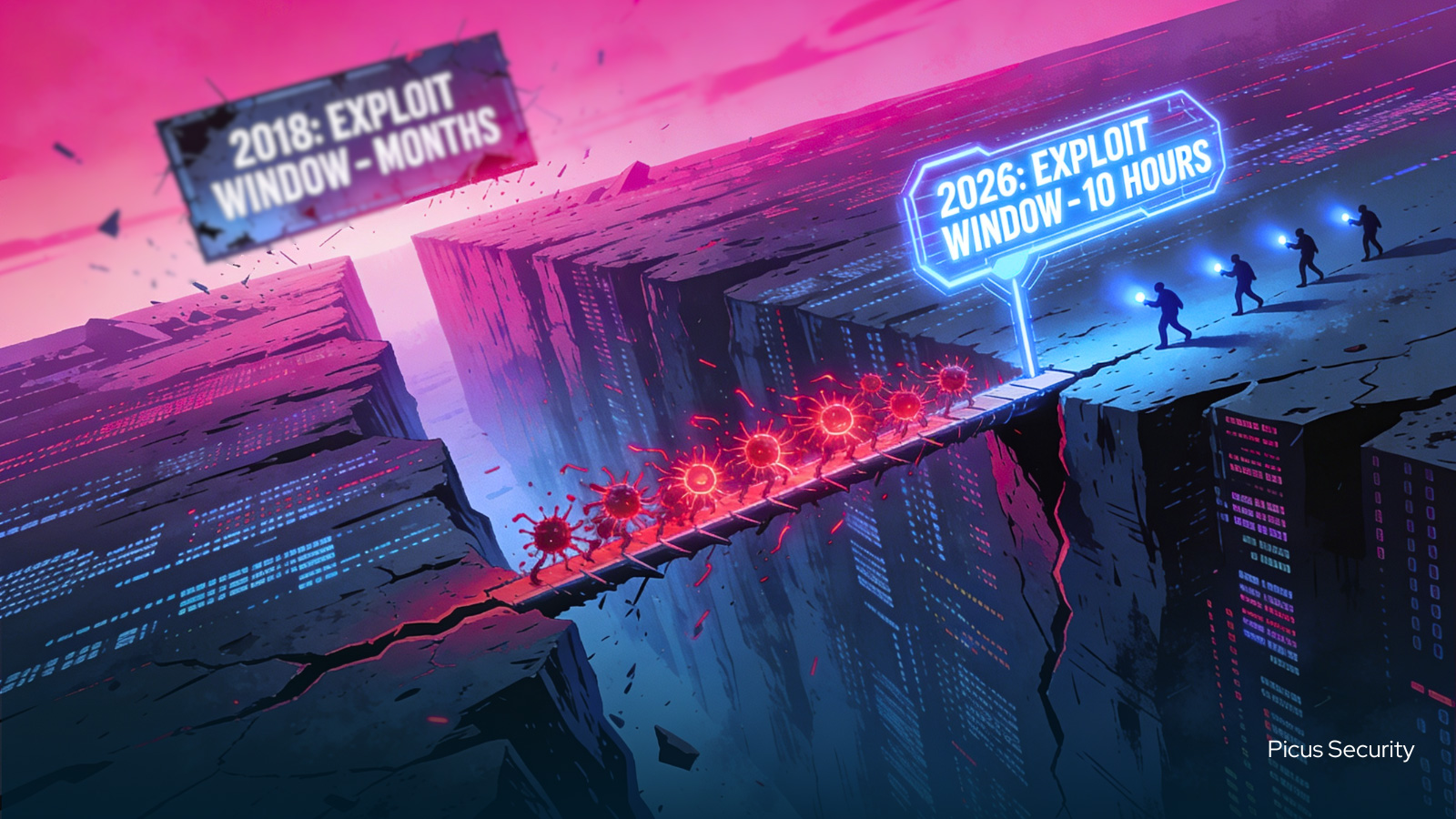
Here’s the core issue: every vulnerability, every breach, every exploitable weakness in a system designed to protect us… it all points to a fundamental imbalance. The defenders are always playing catch-up, and the attackers are constantly innovating. And in the middle? Us, the users, wondering if our digital lives are becoming more precarious by the day. The promise of innovation and progress often comes at the cost of our digital well-being, and the folks collecting the data or selling the “solutions” are the ones who seem to profit, regardless of the chaos left behind.