Android 17's Contact Picker: A Privacy Leap
Say goodbye to apps slurping your entire contact list. Android 17 is finally giving users control, a move long overdue.
Microsoft's May 2026 Patch Tuesday dropped 120 security fixes, a hefty sum with a concerning number of critical vulnerabilities. Thankfully, no zero-days were publicly exploited.
Say goodbye to apps slurping your entire contact list. Android 17 is finally giving users control, a move long overdue.
Ollama, the popular local LLM framework, is reeling from a critical out-of-bounds read vulnerability, codenamed 'Bleeding Llama'. Over 300,000 servers are potentially exposed, with attackers able to siphon off sensitive process memory.
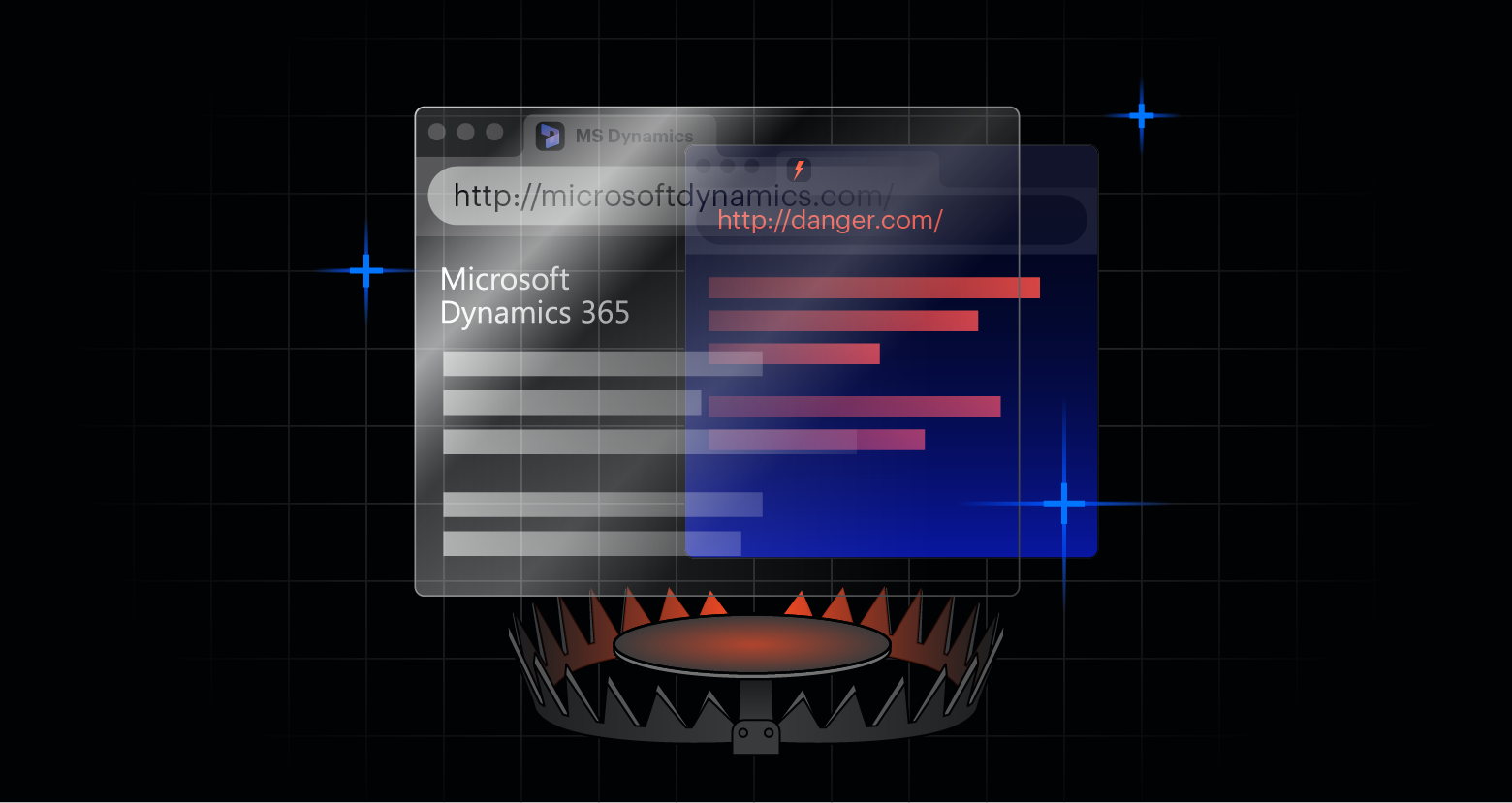
Forget spoofed domains and compromised accounts. The new frontier of phishing is here, weaponizing trusted SaaS platforms like Microsoft Dynamics for massive, undetectable attacks.
It’s an ironic twist: a new malware campaign is actively removing signs of rival hackers, only to replace them with its own malware and pilfer sensitive credentials from cloud environments.
A newly discovered vulnerability in Anthropic's Claude extension for Chrome, dubbed ClaudeBleed, could grant attackers unfettered control over your AI assistant.
Ransomware gangs have found a new playground, and it's plastered all over college campuses. The latest victim? Canvas, the digital learning behemoth, now held hostage, turning finals week into a digital nightmare.
The cybersecurity world is reeling as RansomHouse, a known ransomware-as-a-service provider, claims a major breach of Trellix. The target: source code repositories.
The latest threat digest points to continued exploitation of educational platforms and critical infrastructure. Expect an increase in zero-day attacks and AI-powered malware as vulnerabilities multiply.
Your AI morning briefing for May 10, 2026 — the top stories you need to know.
Just weeks after Copy Fail, another Linux kernel vulnerability, Dirty Frag, has surfaced, offering root access to unprivileged users. We dissect its complex chaining and widespread impact.
Think your tap water is safe from nation-state hackers? Poland's security agency is sounding the alarm, documenting breaches that could have crippled public services. This isn't theoretical; it's happening now.
A critical denial-of-service vulnerability, CVE-2026-23870, has emerged, targeting React Server Components and frameworks like Next.js. This flaw allows unauthenticated attackers to crash servers with crafted HTTP requests.