TeamPCP Hits Checkmarx Again: The Supply Chain Trust Game
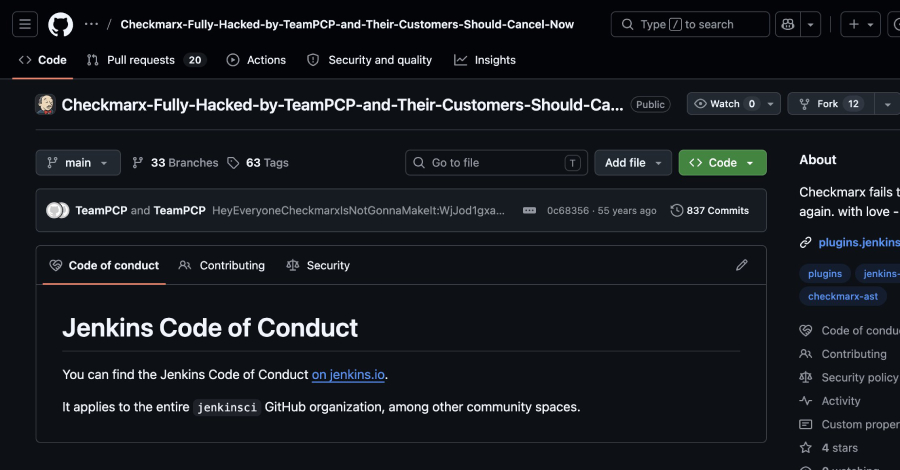
Just weeks after a supply chain attack that snaked through Bitwarden, TeamPCP is back, this time hijacking Checkmarx's own Jenkins plugin. It’s deja vu, and not the fun kind.

Exploit kits are evolving. Q1 2026 brought new ways to hit Microsoft Office, Windows, and Linux systems. Here's what you need to know.
Just weeks after a supply chain attack that snaked through Bitwarden, TeamPCP is back, this time hijacking Checkmarx's own Jenkins plugin. It’s deja vu, and not the fun kind.
The final call is out for Rapid7's 2026 Global Cybersecurity Summit. Security leaders and practitioners face a critical juncture, with the agenda detailing an intense focus on the practical realities of modern security operations.
Attackers are now using AI to discover zero-day vulnerabilities and craft sophisticated malware. This isn't theoretical; it's happening now, and real people are in the crosshairs.
Forget the hype. A nasty little Linux exploit, 'Dirty Frag,' is apparently already out in the wild. This isn't theoretical; it's a live threat to your servers.
Microsoft's managed PostgreSQL service is leaking like a sieve. Varonis found a way to run any command on Azure Cosmos for PostgreSQL. This isn't good.
Think resetting a password nukes an Active Directory breach? Think again. Attackers are still finding ways in, and your quick fix might be giving them cover.
They're not just stealing code; they're stealing the world. A shadowy group is pilfering detailed map data from aviation firms, a move that hints at a chilling new phase of cyber warfare.
Cloudflare just axed 1,100 jobs, blaming AI. Is this efficiency, or a corporate confession?
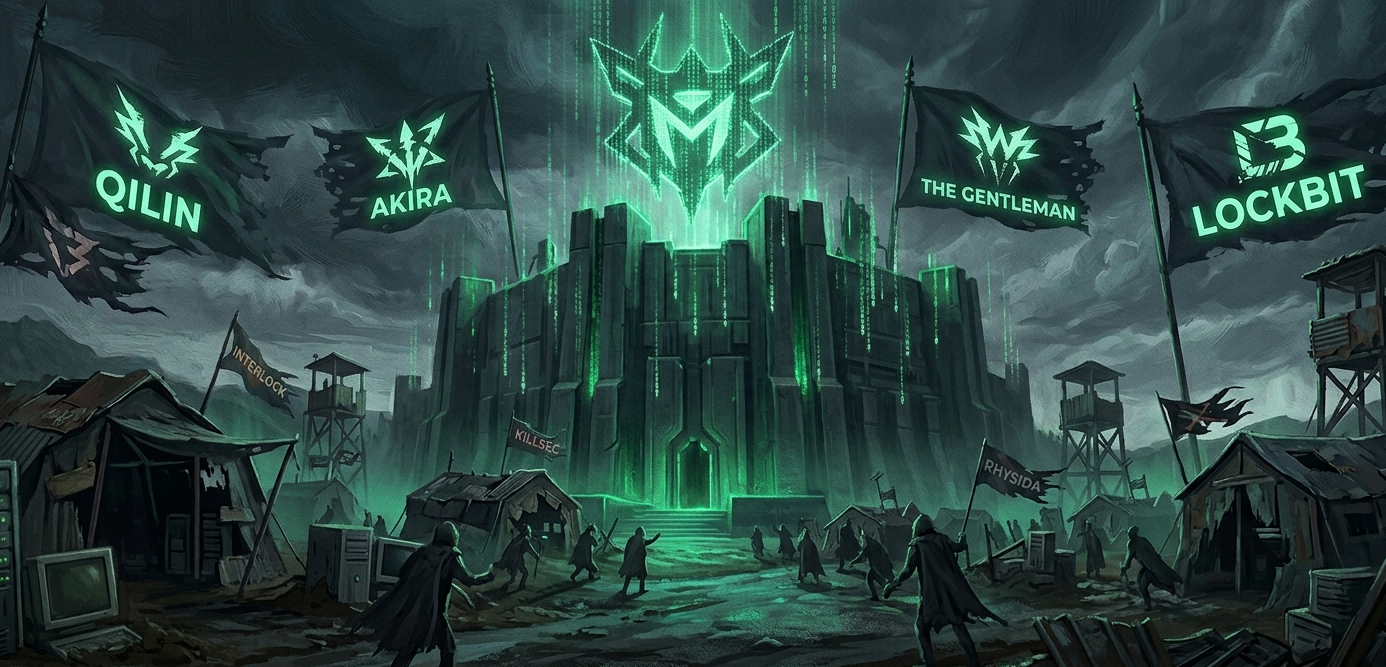
Forget the fragmented chaos of last year. The ransomware world has coalesced, with the top 10 groups now wielding enormous power, controlling 71% of all victims in Q1 2026. This isn't just a statistical blip; it's a fundamental platform shift.
Android banker TrickMo has adopted The Open Network (TON) blockchain for covert command-and-control, making it harder to detect and block. This isn't just an update; it's an architectural shift in how malware operates.
A critical logic flaw in the Linux kernel, Copy Fail (CVE-2026-31431), allows any local attacker to achieve root privileges with a simple script. This vulnerability impacts millions of systems and demands immediate attention.
Your AI morning briefing for May 11, 2026 — the top stories you need to know.